Last updated 5/22/202313 minutes to read

A Comprehensive Guide to Customer Education in SaaS 

Customer Education in SaaSIn the fast-paced world of Software as a Service (SaaS), one crucial factor often determines the success or failure of a company: customer education. As technology continues to evolve and new products emerge, empowering users with the knowledge and skills they need to fully utilize SaaS solutions becomes paramount. In this comprehensive guide, we delve into the world of customer education in SaaS, exploring its significance, key strategies, and best practices. Whether you're a SaaS provider looking to enhance customer satisfaction or an end-user seeking to maximize the value of your software investment, this blog post will equip you with the essential insights to navigate the realm of customer education effectively. Get ready to unlock the true potential of SaaS through the power of knowledge.

What is SaaS Customer Education?

SaaS Customer Education is all about giving customers of Software-as-a-Service (SaaS) companies the knowledge, training, and resources they need. It's a crucial part of a customer success strategy that helps users make the most of SaaS products or services.

In the world of SaaS, customer education goes beyond basic product training. It involves a wide range of activities and resources aimed at teaching customers about the features, functions, and best practices of the SaaS solution they've signed up for. The goal is to empower customers to use the software effectively, achieve their goals, and become loyal supporters of the SaaS company.

SaaS customer education includes creating structured learning programs, developing engaging content, and using various delivery channels to meet different learning preferences and needs. These programs can cover everything from onboarding training for new customers to advanced feature workshops, webinars, knowledge base articles, video tutorials, and interactive guides.

By investing in customer education, SaaS companies give their customers the knowledge and skills they need to succeed. It helps customers overcome adoption challenges, reduces their reliance on customer support, and improves their overall experience. Moreover, well-informed customers are more likely to stay loyal, expand their usage, and become advocates, contributing to the growth and success of the SaaS company.

Benefits of Customer Education in SaaS

A. Empowering Customers with Knowledge and Skills:

The main advantage of customer education in the realm of SaaS is that it empowers customers with valuable knowledge and skills. By offering comprehensive educational resources and training, SaaS companies enable customers to become proficient users of their software. This empowerment allows customers to independently tackle problems, explore advanced features, and make the most of the SaaS solution. When customers feel confident in their abilities, they are more likely to engage with the software, achieve their desired outcomes, and fully realize the value of their investment.

B. Reducing Customer Support Costs:

Customer education in the field of SaaS can have a significant impact on reducing customer support costs. When customers are well-informed about the software, they are less likely to encounter issues or have questions that require direct assistance from the support team. By proactively addressing common challenges and providing self-help resources like knowledge base articles and video tutorials, SaaS companies can decrease the number of support tickets and lower overall support costs. This, in turn, enables support teams to focus on more complex and critical customer inquiries, leading to improved efficiency and customer satisfaction.

C. Increasing Customer Retention and Loyalty:

Customer education serves as a powerful tool for enhancing customer retention and fostering loyalty in the SaaS industry. Educated customers who are confident in their ability to effectively use the software are more likely to stay engaged and maintain their subscriptions. Well-informed customers experience fewer frustrations, achieve better outcomes, and appreciate the value delivered by the SaaS product or service. Consequently, they are more inclined to renew their contracts, advocate for the company, and even upgrade to higher-tier plans or additional offerings. Through investing in customer education, SaaS companies can cultivate long-term relationships with their customers, leading to improved retention rates and a devoted customer base.

D. Driving Product Adoption and Upselling Opportunities:

Effective customer education programs can drive product adoption and create upselling opportunities for SaaS companies. By educating customers about the full range of features, functionalities, and capabilities of their software, SaaS companies can encourage customers to explore and leverage additional offerings. Through targeted training and resources, customers can discover how specific features can address their unique needs and challenges, opening doors to upselling opportunities. Moreover, well-informed customers are more likely to recognize the value of advanced features and upgrades, making them receptive to upsell offers. By driving product adoption and upselling, customer education not only benefits the customers by enhancing their experience but also contributes to the revenue growth and expansion of the SaaS company.

Building a Customer Education Program

A. Assessing Current Customer Knowledge and Skill Gaps:

To effectively develop a customer education program, it is absolutely essential to evaluate the existing knowledge and skill gaps of your valued customers. This evaluation will offer invaluable insights into their current comprehension and proficiency with your exceptional SaaS product, empowering you to customize your educational resources to meet their precise requirements.

There exist several remarkable methodologies that you can employ to appraise customer knowledge and skill gaps. Firstly, consider undertaking surveys or questionnaires to directly gather feedback from your esteemed customers. Pose targeted questions regarding their familiarity with various features, their level of comfort in utilizing specific functionalities, and any challenges they may have encountered along the way.

Moreover, analyze customer support tickets and interactions to identify recurring issues or areas where customers seek additional guidance. This data can enlighten you regarding specific domains where customers may be grappling or seeking assistance.

Furthermore, harness the power of analytics and usage data from your SaaS platform to gain profound insights into customer behavior and engagement. Look for patterns that indicate low adoption rates of certain features or frequent abandonment of particular workflows. These enlightening insights can assist in pinpointing areas where customers may lack knowledge or encounter difficulties.

B. Developing a Curriculum and Learning Pathways

Once you've got a handle on your customers' knowledge and skill gaps, it's time to put together a well-rounded curriculum and learning pathways for your customer education program. This organized approach will help your customers navigate through a series of learning materials, allowing them to systematically enhance their understanding and abilities.

Start by dividing your curriculum into different levels: beginner, intermediate, and advanced. Tailor the content at each level according to your customers' proficiency. Begin with beginner-level material that covers the basics, such as fundamental concepts, basic functionalities, and getting around your SaaS product. As customers progress, introduce intermediate and advanced content that dives into more intricate features and advanced workflows. This tiered structure ensures that customers can gradually grow their expertise and confidence.

Another smart move is to create role-based learning tracks. Identify the distinct roles within your customer base and develop customized training materials to address their specific responsibilities and challenges. For example, design separate learning paths for administrators, end-users, managers, or individuals in particular industry roles. By catering the content to their unique contexts, you make the learning experience more relevant and effective.

Within each level or learning track, organize the curriculum logically and sequentially. Begin with the foundational topics and then gradually introduce more advanced concepts. Break down complex subjects into manageable modules or units, ensuring a smooth learning progression.

To provide clarity and direction, establish clear learning objectives for each module or unit. This helps customers understand what they can expect to achieve by completing the materials and gives them a sense of purpose throughout their learning journey.

While maintaining a structured progression, it's also important to allow flexibility in the curriculum. Customers may have different learning preferences or specific areas they want to focus on. Provide optional or supplementary materials that allow them to explore topics of interest in greater depth.

C. Creating Engaging Content Formats

To make your customer education program more effective, it's super important to create content that grabs your customers' attention and gets them excited about learning. By using different formats and interactive elements, you can make the learning experience a lot more fun, memorable, and effective.

Let's start with video tutorials and demonstrations. These are awesome because they show your customers exactly how to use your SaaS product. Make sure the videos have step-by-step instructions, highlight important features and functions, and include real-life examples to show how things work in practice. Use clear and simple narration or on-screen text to guide your customers through the process. Videos are great because they're visual and can explain even the trickiest concepts or workflows.

Next up, we have interactive guides and walkthroughs. These are like hands-on adventures that let your customers explore your SaaS product for themselves. You can include interactive elements, helpful tips, and prompts to guide them through different tasks and features. By giving your customers an interactive experience, they can get involved with the software, reinforce what they've learned, and gain confidence in using all the cool stuff it offers.

Don't forget to create a knowledge base with articles and FAQs. This is where you provide a bunch of helpful information and answers to common questions that your customers might have. Organize everything in a way that's easy to search and find what they need. Keep the language simple and to the point, and use screenshots or visuals to make things even clearer. Having a treasure trove of self-help resources means your customers can find answers on their own, quickly and easily.

Now, let's talk about case studies and success stories. These are real-life superhero stories that show how your SaaS product has helped other customers achieve amazing things. Share examples that demonstrate how your product can solve specific problems or help customers reach their goals. Use storytelling techniques to really connect with your customers on an emotional level and inspire them. These case studies and success stories not only show off the value of your SaaS product but also motivate your customers to try out similar strategies and find success for themselves.

Oh, and one more thing—make sure your content looks awesome! Use visuals that make sense and look good, like screenshots, diagrams, or infographics. They can help people understand things better, especially if they're a bit complicated. Also, try to keep a consistent and visually pleasing style throughout your content to create a cohesive learning experience.

If you want to take things up a notch, think about adding some fun game elements to your content. You can include quizzes, challenges, or interactive exercises to make learning more interactive, competitive, and enjoyable. Gamification is a great way to keep people engaged, motivated, and more likely to remember what they learn.

Measuring the Effectiveness of Customer Education

To make sure your customer education program is a hit, it's super important to measure its effectiveness and see how it's impacting your customers' knowledge, skills, and overall satisfaction. By using the right measurement strategies, you can assess the program's outcomes, find areas to make it even better and show stakeholders just how valuable it is. Here are some key metrics and methods to measure the effectiveness of your customer education program:

Knowledge and Skill Assessment:

Before and after your training, have customers take quizzes, tests, or practical assignments to see how much they've learned. By comparing their scores from before and after the program, you can get a good idea of their progress and how effective the training materials are.

Usage and Adoption Metrics:

Keep an eye on how customers are using your SaaS product to see if they're getting into it. Look at things like active users, feature usage, and how much time they spend on the software. If they're exploring and using the more advanced features, it means they're applying what they learned from the program. Over time, you can analyze these metrics to spot trends and see how the education initiatives are affecting customer behavior.

Customer Feedback and Surveys:

Ask customers to give you feedback through surveys or feedback forms to see how happy they are with the education program. Get specific by asking about the quality of the materials, how relevant the content is, and their overall learning experience. The feedback you get from customers is super valuable for figuring out what's working well and what needs improvement in the program.

Support Ticket Analysis:

Take a look at customer support tickets to see if there's been a decrease in the number or complexity of issues related to customer understanding or proficiency. If there's a drop in support requests for basic or common questions, it means the education program is doing a great job of meeting customer needs. Analyze the types of tickets you receive and categorize them based on the topics covered in the education program to understand their impact on support requirements.

Customer Success and Retention Metrics:

Keep an eye on customer success and retention metrics to see how the education program is affecting customer outcomes. Look at things like customer churn rate, renewal rates, or how much they're expanding their product usage. Higher retention rates and increased product usage show that educated customers are finding value in your SaaS product and are more likely to keep using it.

Qualitative Feedback and Testimonials:

Get Capture qualitative feedback and testimonials from customers who have benefited from the education program. Ask them for insights on how the program has helped them achieve their goals, overcome challenges, or improve their skills. These personal stories and testimonials are a great way to showcase the positive impact of the program to internal stakeholders or potential customers.

By combining both quantitative and qualitative measurement methods, you can gain a comprehensive understanding of the effectiveness of your customer education program. Regularly review and analyze these metrics to identify areas for improvement, refine the content, and enhance the learning experience. Keep in mind that education is an ongoing process, so continuously adapting and optimizing the program based on feedback and results will help ensure its long-term success in empowering and supporting your customers.

Remember, the ultimate goal of your customer education program is to equip your customers with the knowledge and skills they need to succeed with your SaaS product. By measuring its effectiveness and making continuous improvements, you can create a program that truly adds value and drives customer success.

Wrapping up:

Sonat is a great documentation tool that can help SaaS companies educate their customers. It has a user-friendly interface and powerful features that allow SaaS companies to create and maintain comprehensive documentation.

One of the main advantages of Sonat is its ability to centralize and organize documentation in a structured way. SaaS companies can create a knowledge base within Sonat, where they can store tutorials, guides, FAQs, and articles. This makes it easy for customers to access and navigate the documentation efficiently.

Sonat also allows SaaS companies to create visually appealing and interactive content. It supports the integration of images, videos, and other multimedia elements, making the documentation engaging and memorable for customers. With these features, SaaS companies can provide step-by-step video tutorials, interactive guides, and visually rich content that enhances the learning experience.

Moreover, Sonat enables collaboration among team members for documentation creation and maintenance. Multiple team members can contribute, ensuring that the documentation is always up to date with the latest features and updates of the SaaS product. Roles and permissions can be assigned to team members, facilitating efficient content contribution and review.

Sonat's search functionality is another valuable feature for customer education. Customers can use the search bar within the documentation to quickly find answers to their questions. The search results provide relevant articles or sections, saving customers time and effort. This intuitive search capability promotes self-service and empowers customers to find solutions independently.

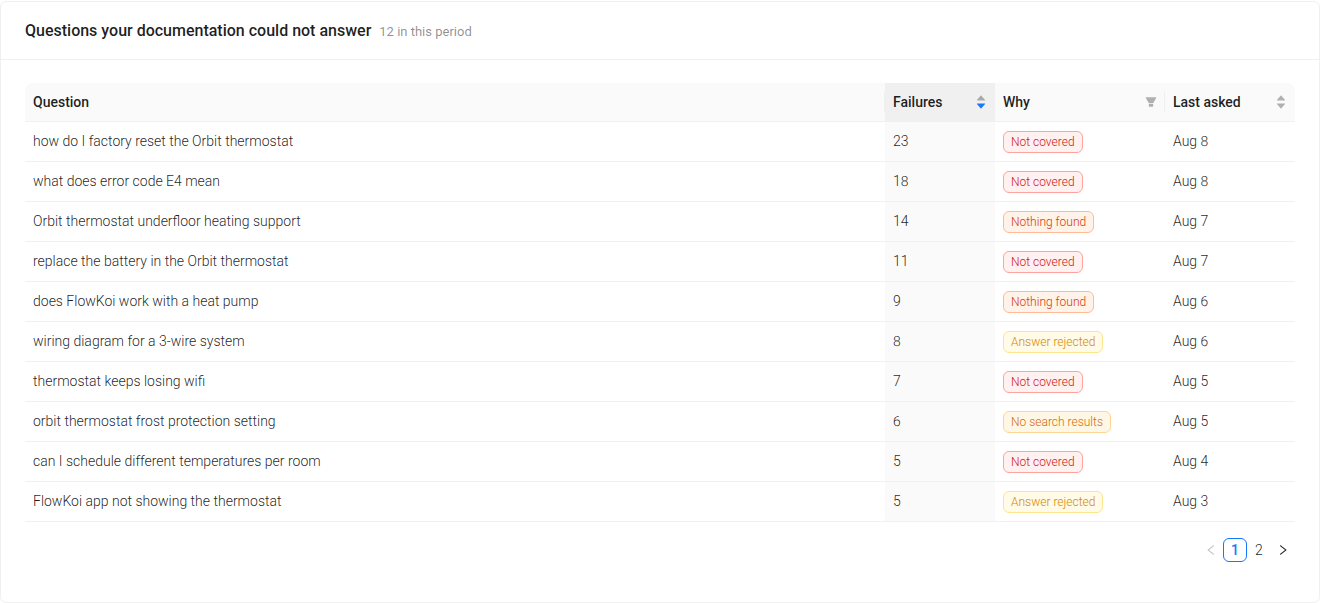
Additionally, Sonat offers analytics and insights into customer engagement with documentation. SaaS companies can track metrics like page views, search queries, and user feedback to understand customer behavior and identify areas for improvement. This analytics help optimize the documentation to better align with customer needs and preferences.