How to Create an Outstanding Work Manual
In today's fast-paced business world, the success of any organization heavily relies on how well its workforce performs. And let me tell you, a major factor in ensuring their efficiency and effectiveness lies in having a top-notch work manual. I mean, seriously, this thing is like a secret weapon! It streamlines processes, promotes consistency, and guides employees toward greatness.
Now, let me break it down for you. This comprehensive guide is here to demystify the process of creating an outstanding work manual. It's not just about empowering your employees, but also about taking your productivity to the next level. Whether you're starting from scratch or looking to optimize your existing manual, we've got your back with some seriously practical tips and strategies. You'll be amazed at what you can achieve!
So, what are you waiting for? Get ready to dive into the world of work manuals and unlock the true potential of your organization. Trust me, it's going to be one heck of a journey!
Purpose of a Work Manual
A working manual is like a guidebook that contains all the important information employees need to do their jobs effectively. It explains the procedures, rules, and essential details that help them carry out their responsibilities in the best way possible. Think of it as a roadmap that provides clear directions and instructions, making sure everyone follows the same path and gets things done efficiently and with high quality.
In today's fast-paced business world, it's not easy for organizations to keep everything consistent and standardized. That's where a work manual comes in handy. Without one, employees might rely on outdated or incomplete information, leading to mistakes, inconsistencies, and wasted time. But when there's a well-structured work manual available, everyone has access to the most up-to-date and accurate information, creating a level playing field for everyone.
The work manual acts as a valuable reference tool. Whenever employees have doubts or need guidance, they can turn to the manual for answers. This saves them from the hassle of guessing or bothering their supervisors or colleagues for routine tasks. With a work manual in hand, employees gain more independence and feel empowered to handle their responsibilities on their own.
Efficiency is a big advantage of having a work manual. It helps streamline processes and reduces the time spent on repetitive or unnecessary tasks. By clearly outlining the steps, sequence, and dependencies involved in different work activities, employees can do their jobs more efficiently, saving time and effort. This allows them to focus on tasks that bring real value to the organization, increasing overall productivity and contributing to its success.
Consistency is another key aspect that a work manual addresses. When different people do things differently, it leads to confusion, errors, and problems with quality. That's why a work manual establishes standard procedures that everyone should follow, no matter their level or department. This ensures that tasks are performed consistently throughout the organization, reducing variations and promoting a unified work culture.
Moreover, a well-crafted work manual supports knowledge sharing and transfer within the organization. It becomes a treasure trove of valuable knowledge, capturing the expertise and insights of experienced employees. When new people join or others change roles, the work manual becomes a valuable resource for them to learn about processes and what's expected of them in their positions.
Beyond its operational benefits, a work manual also helps organizations comply with industry regulations, legal requirements, and company policies. It provides a platform to communicate and reinforce important information related to safety, ethics, and quality standards. By including such information in the work manual, organizations ensure that employees are aware of their responsibilities, reducing risks and creating a safe and compliant work environment.
So, a well-crafted work manual is not just a bunch of rules and instructions. It's a powerful tool that keeps everyone on the same page, enhances productivity, fosters consistency, supports knowledge sharing, and ensures compliance with important standards and regulations.
Planning Your Work Manual
Setting clear goals and objectives for your work manual is a really important step. It helps guide its development and makes sure it meets your organization's needs. When you have specific goals, you know exactly what you want the manual to achieve, and that helps you focus on delivering the most relevant and impactful content for your readers.
Here are some key things to consider when setting goals and objectives for your work manual:
Improving Employee Performance: One of the main goals of the manual is to help employees do their jobs better. You can think about how the manual can provide clear instructions, best practices, and helpful tips that empower employees to be more efficient and effective. When you set this goal, you create a resource that supports employees in excelling at their roles, making the whole organization more productive and keeping employees happy.
Streamlining Processes and Workflows: Another objective is to make processes and workflows smoother within your organization. You can identify areas where the manual can provide standardized procedures, step-by-step guidelines, and ways to make work easier. By clarifying processes and reducing confusion, you promote consistency, prevent mistakes, and make operations run more smoothly.
Enhancing Onboarding and Training: If your organization hires new people often, a goal can be to improve the onboarding and training process. You can think about how the manual can be a comprehensive resource that helps new hires understand their roles, responsibilities, and the company's culture. When you set this objective, you make the manual a valuable tool for helping new employees get up to speed quickly and become productive members of the team faster.
Ensuring Compliance and Following Policies: Many organizations have a goal of making sure everyone follows the rules, regulations, and company policies. You can think about how the manual can effectively communicate and reinforce these guidelines to employees. By including relevant policies, procedures, and safety protocols, you create a manual that promotes a safe and compliant work environment.
Facilitating Knowledge Transfer and Succession Planning: Consider how the manual can support knowledge transfer and succession planning within your organization. By capturing important knowledge, best practices, and insights from experienced employees, the manual becomes a valuable resource. Setting this goal ensures that your manual becomes a legacy that helps bridge knowledge gaps and supports the smooth transition of roles and responsibilities.
When you set your goals, it's good to make them specific, measurable, achievable, relevant, and time-bound (SMART). That means each goal should have clear indicators of success and a timeline for evaluation. This will help you see how effective the work manual is once it's in use.
Conducting Research and Gathering Information
Creating a great work manual requires doing a thorough research and gathering the right information. This way, you can make sure that your manual is complete, accurate, and follows the best practices in your industry. Putting in the time and effort to research will give you a work manual that really meets your organization's needs and helps your employees.
Step 1: Checking Existing Resources Before you start your research, take a look at the resources your organization already has. Check if any manuals, documents, or training materials might have useful information. You can use these resources to save time and avoid repeating what's already there.
Step 2: Figuring Out What to Include Next, decide what topics and areas your work manual should cover. Think about the important processes, procedures, policies, and guidelines in your organization. Also, consider the areas where employees often need help or have questions. This way, your research can focus on getting the information that's most relevant and useful.
Step 3: Finding Reliable Sources When you do your research, make sure to use reliable sources. Look for industry publications, articles from experts, trustworthy websites, and official documents related to your field. Check if the authors or organizations providing the information are credible. Using reliable sources makes your work manual more accurate and trustworthy.
Step 4: Talking to Experts Talk to the experts within your organization to get valuable insights and practical knowledge. They can give you firsthand information about specific processes or industry trends. Have interviews or discussions with people who know a lot about the topics you're covering. Write down their insights and add them to your manual to give useful tips and perspectives.
Step 5: Staying Updated Keep yourself up-to-date throughout the research process. Stay informed about the latest industry developments, regulations, and best practices. You can subscribe to newsletters, follow blogs and forums, and join professional networks. Staying on top of things ensures that your work manual always has the most current information.
Step 6: Organizing and Checking Information As you gather information, organize it logically. Create an outline or a structure that covers all the important topics and subtopics. Make sure the information is clear, consistent, and easy to follow. It might be helpful to have key people or a review team check the accuracy and completeness of what you've gathered.
Structuring Your Work Manual
Structuring your work manual is a super important step in creating a user-friendly and well-organized resource that tells people what they need to know. By organizing everything carefully, you make sure that readers can find information easily and understand it logically and clearly. This makes their experience with the manual even better.
Step 1: Decide on Manual's Format: First things first, figure out what format works best for you and your audience. Think about whether a printed document, a digital file, or an online platform will be the most suitable option. Each format has its pros and cons, so choose the one that matches your organization's preferences and accessibility needs.
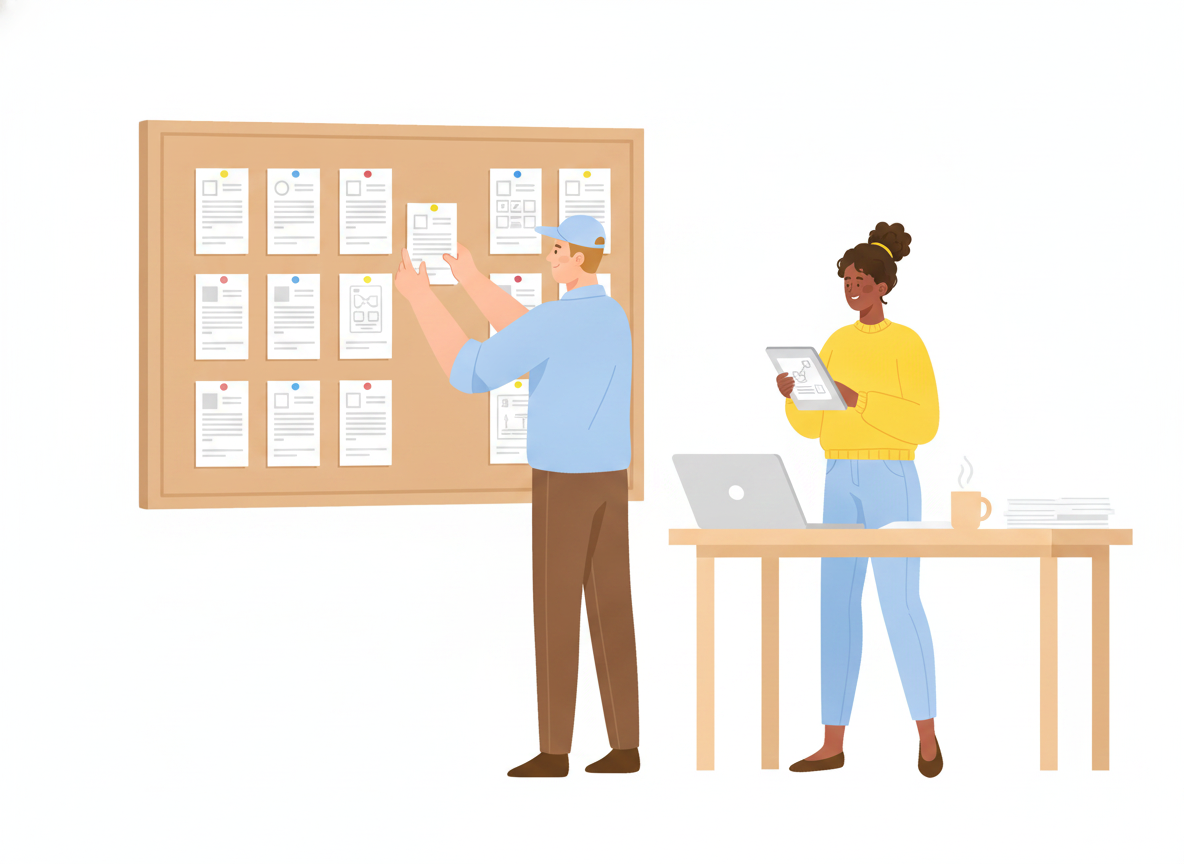
Step 2: Create a Table of Contents: You should have a clear and comprehensive table of contents that guides readers through your manual. Identify the main sections and chapters, and give them short and descriptive headings. The table of contents acts like a roadmap, helping readers quickly find the information they're looking for and jump to specific sections they're interested in.
Step 3: Divide the Manual into Sections and Subsections Break down your work manual into logical sections and subsections. This makes it easier for readers to handle and digest the content, especially if it's complex. Use clear headings and subheadings to introduce each section and subsection. It's a good idea to use different levels of headings (like H1, H2, and H3) to organize the information even further.
Step 4: Maintain Consistent Formatting and Styling Consistency is key when it comes to the way your manual looks. Use the same font, font size, and formatting (like bold or italics) throughout the document. Pay attention to spacing, alignment, and margins to make sure it's visually appealing. Consistent formatting gives the manual a professional and polished appearance, and it helps readers easily identify and understand different parts of it.
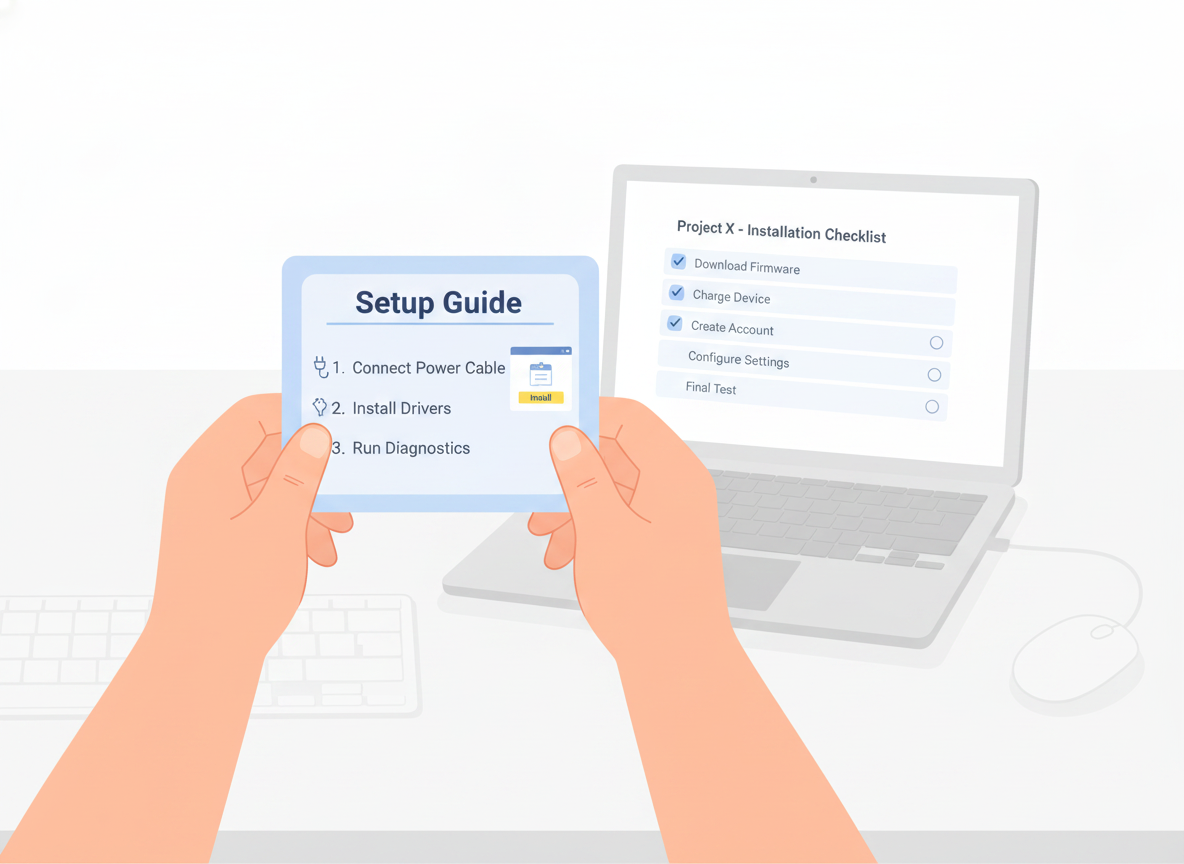
Step 5: Incorporate Visual Elements Visuals are awesome for making your work manual clearer and easier to understand. Consider using diagrams, illustrations, charts, and infographics to explain complex ideas, show processes, or provide examples. Just make sure the visuals are relevant, well-designed, and actually support the text. When you include visuals, be sure to add clear captions and labels so people can refer to them easily.
Step 6: Include a Glossary and Index To help readers navigate the manual even better, think about including a glossary of terms and an index. The glossary gives definitions and explanations of key terms used throughout the manual, which makes it easier for readers to understand unfamiliar concepts. The index lists important topics, keywords, and page numbers, so readers can quickly find specific information. Having a glossary and index makes your manual more valuable because it's easier to find what you need and it improves usability.
Distributing and Training on the Work Manual
Distributing and training your work manual is super important to make sure it gets to the right people and serves its purpose. You want to make it easy for employees to access the manual and help them understand its contents so they can make the most of it. So, let's talk about how to distribute and train your work manual in a smart way that gets the job done.
Choosing the Distribution Channels You gotta pick the right distribution channels to make sure your work manual reaches employees efficiently. Think about what your employees prefer and what's easy for them to use. Here are some common ways to distribute your manual:
Digital Distribution: Send the manual electronically through email, your company's intranet, or a special document management system. This makes it easy to access, allows for updates, and saves paper.
Printed Copies: If some employees prefer physical copies or don't have easy access to digital resources, you can give them printed versions. You can distribute them through internal mail, specific spots in your workplace, or during training sessions.
Online Platforms: If your organization has an online learning or training platform, it's a great idea to upload the manual there. This way, employees can access it anytime and you can add interactive features like quizzes or discussion forums.
Departmental Meetings: Use team meetings to distribute the manual directly. This ensures that employees get it in their hands and gives them a chance to discuss it right away.
Developing a Distribution Plan Create a distribution plan that lays out the steps and timeline for getting the manual out there. Think about the size of your organization, where your employees are located, and any rules you need to follow. Assign responsibilities to specific people or teams so everyone knows what they need to do. Make sure to communicate the plan to the right people and explain how to access and use the manual.
Your distribution plan can include things like:
Identifying the distribution channels and what each one will do. Figuring out how many printed copies you need or how many digital copies to send. Setting deadlines for distribution and making sure things get delivered on time. Giving guidelines on how employees can access the manual on online platforms. Explaining to employees why the manual is important and how it can help them.
Conducting Training Sessions Training sessions are key to getting employees familiar with the manual and understanding how to use it in their work. Schedule sessions where employees can learn about the manual's structure, important sections, and how to make the most of it. Here are a few training approaches to consider:
In-person Sessions: Have face-to-face training sessions where employees can ask questions, join discussions, and get hands-on help. This way, they can interact personally and get immediate answers to their doubts.
Virtual Sessions: If it's not possible to meet in person, you can do virtual training sessions using video conferencing tools. Give clear instructions on how to join the sessions and use screen sharing to guide employees through the manual.
Self-paced Online Training: Create an online training module that employees can access whenever they want. It can have interactive parts, quizzes, and tests to check their understanding and reinforce what they've learned.
During the training sessions, focus on:
Explain why the manual exists, what it aims to do, and who it's for. Showing the structure of the manual, pointing out important sections and why they matter. Teaching employees how to navigate the manual effectively, use search functions, and find specific information. Using real-life examples and scenarios to show how the manual applies to their work. Encouraging employees to participate in discussions, ask questions, and give feedback.
Collecting Feedback and Addressing Questions After distributing the manual and training sessions, it's important to get feedback from employees. Let them share their thoughts, suggestions, and any questions they might have. You can use surveys or feedback forms for this. Take this feedback seriously and use it to fill in any gaps or clear up any confusion. If necessary, update or revise the manual to make it even better.
Also, make sure there's a way for employees to ask questions or get clarification about the manual. This can be through dedicated email addresses, discussion forums, or regular Q&A sessions. Respond to their inquiries promptly and give clear answers so they feel supported and can make the most of the manual.
Does this process take forever?
well, it can be. BUT besides the tips that we mentioned in this article. there is another solution to boost this process. online documentation tool can save the headache of this process for you and help you make your work manual in a short time while it's effective and practical.
Oh, let me tell you about this cool tool called Sonat! It's a free and modern documentation tool that can make your life so much easier when it comes to creating and managing online manuals, user guides, and all that good stuff. Here are some of the benefits it offers for distributing and training on your work manual:
Streamlined Content Creation
Sonat has a super easy-to-use editor that lets you create and format content without any hassle. You can organize information, add visuals and multimedia elements, and structure your work manual with headings and subheadings. It's all about making your manual look good and keeping the readers engaged.
Centralized Knowledge Base
With Sonat, you get a centralized knowledge base for all your documentation needs. You can store multiple versions of your work manual, so employees always have access to the most up-to-date info. Sonat makes it easy to navigate through different sections, search for keywords, and link related articles. No more searching high and low for that specific piece of information!
Collaborative Workflows
Sonat lets your team collaborate on the work manual. Multiple team members can work on it at the same time, with different roles and permissions. This collaboration makes things more efficient and brings together everyone's expertise. Teamwork makes the dream work, right?
Easy Distribution Once your work manual is all set on Sonat, you can easily distribute it to your employees. Sonat gives you different options for distribution. You can generate a shareable link, embed the manual in your company intranet or website, or export it as a PDF for offline access. It's all about choosing what works best for your employees.
Interactive Training Features
Now, here's the fun part. Sonat has interactive features that make training sessions more exciting. You can create knowledge checks, or assessments right within the manual to test your employees' understanding. It's like a little game that helps them remember the important stuff.
So, there you have it! Sonat is your go-to tool for creating, distributing, and training your work manual. It's simple, it's free, and it's modern. Give it a try and see how it can take your documentation game to the next level!