Step-by-Step Guide to Knowledge Management Framework
Organizations constantly face the challenge of efficiently managing and utilizing their knowledge resources. Knowledge plays a pivotal role in driving innovation, facilitating better decision-making, and ultimately, contributing to a company's success. However, amidst the abundance of data and information, it has become crucial to have a well-structured plan in place to handle it all.
Enter the Knowledge Management Framework - a sophisticated blueprint that enables seamless collection, storage, organization, and sharing of knowledge across the entire company. This comprehensive guide delves into the realm of Knowledge Management Frameworks, exploring their immense significance for modern businesses, dissecting their essential components, and outlining the step-by-step process to implement one effectively.
Whether your business is a budding startup or an established industry giant, embracing and leveraging a Knowledge Management Framework can significantly boost your team's productivity, enhance collaboration, and foster innovative ideas to stay ahead in today's fiercely competitive world.
Key Components of Knowledge Management Framework
A successful Knowledge Management Framework comprises several interconnected components that contribute to the effective flow of knowledge within an organization.
A. Knowledge Creation and Acquisition
- Identifying Internal and External Sources of Knowledge:
To foster knowledge creation, organizations must recognize and leverage both their internal and external sources of information. Internally, this entails tapping into the vast expertise of employees, subject matter experts, and teams across various departments. Encouraging open communication and idea-sharing can unlock a wealth of valuable knowledge from within the workforce.
Externally, organizations can explore industry publications, conferences, academic research, and collaborations with other institutions. Staying informed about industry trends and best practices enables organizations to gain valuable insights that contribute to their competitive edge.
- Encouraging Innovation and Idea Generation:
Promoting a culture of innovation and idea generation is essential for driving continuous knowledge creation. When employees feel empowered to share their ideas and perspectives, it fosters a dynamic environment that sparks creativity. Organizations can facilitate innovation through brainstorming sessions, hackathons, and cross-functional collaborations, where diverse viewpoints converge to generate novel solutions.
Recognizing and rewarding employees for their innovative contributions further reinforces the importance of knowledge creation and inspires others to actively participate in the process.
- Capturing Tacit Knowledge through Knowledge Sharing Sessions:
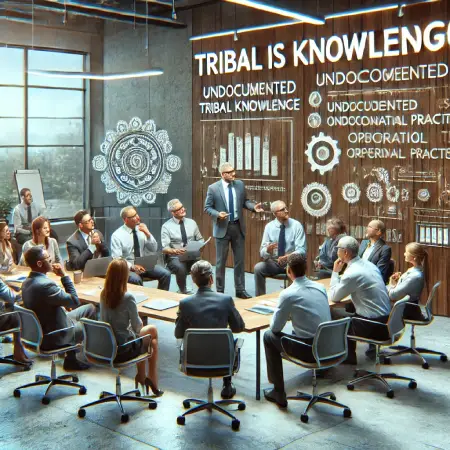
Tacit knowledge refers to the expertise, experiences, and insights that individuals possess but often find challenging to articulate or document. This form of knowledge is invaluable as it comes from years of hands-on experience and intuition.
To capture tacit knowledge, organizations conduct knowledge-sharing sessions, workshops, and mentoring programs. These activities provide a platform for employees to share their experiences and best practices, enabling the transfer of tacit knowledge to a broader audience. By converting tacit knowledge into explicit knowledge that can be documented and shared, organizations ensure that valuable insights are not lost when employees leave or transition to different roles.
B. Knowledge Organization and Classification
- Categorizing Knowledge Assets
At the heart of knowledge organization lies the process of categorizing knowledge assets. This involves grouping information and insights into distinct categories based on their subject matter, relevance, and purpose. By organizing knowledge assets into well-defined categories, employees can quickly locate the information they need, eliminating the time wasted in searching through vast amounts of data.
Establishing a clear taxonomy or classification system helps standardize the organization process, making it easier for individuals to contribute and access knowledge consistently. Moreover, a well-structured taxonomy lays the groundwork for the next component - developing taxonomies and ontologies.
- Implementing Content Management Systems
A robust content management system (CMS) acts as the backbone of Knowledge Organization and Classification. A CMS streamlines the storage, retrieval, and version control of knowledge assets, ensuring that the most up-to-date and relevant information is readily accessible to employees.
With the help of a CMS, organizations can tag and categorize content according to the established taxonomy and ontology. This enables users to filter and search for specific knowledge assets based on their preferences. Moreover, version control ensures that multiple employees can collaborate on documents without the risk of confusion caused by outdated versions.
Content management systems also enable content owners to maintain the quality and accuracy of knowledge assets, ensuring that the information shared within the organization remains reliable and trustworthy.
C. Knowledge Storage and Retrieval
- Creating Centralized Knowledge Repositories
Centralized knowledge repositories serve as centralized hubs where valuable knowledge assets, documents, and information are stored. These repositories act as single sources of truth, ensuring that all employees have access to the most updated and relevant knowledge. By consolidating knowledge in one location, organizations avoid duplication of efforts and reduce the risk of inconsistent or outdated information being used.
Centralized repositories can take various forms, such as intranet portals, wikis, or knowledge bases. The choice of platform depends on the organization's specific needs and the nature of the knowledge being managed. These repositories often have robust search functionalities, allowing users to quickly locate the information they need.
- Utilizing Document Management Systems
Document Management Systems (DMS) play a pivotal role in organizing and managing documents and knowledge assets within an organization. A DMS streamlines the process of storing, versioning, and securing documents, ensuring that users always have access to the most current version. It also allows for efficient collaboration, where multiple employees can work on documents simultaneously while maintaining version control.
Document management systems offer features like metadata tagging, making it easier to categorize and retrieve documents based on relevant keywords, dates, or authors. This feature ensures that users can quickly locate specific documents even within vast document repositories.
- Implementing Search and Retrieval Mechanisms
Efficient search and retrieval mechanisms are crucial to ensuring that employees can find the knowledge they need quickly. These mechanisms use sophisticated algorithms to index the content stored in knowledge repositories and present relevant results based on user queries.
The search functionality should be user-friendly and intuitive, enabling employees to use natural language queries or specific keywords to find the information they seek. Additionally, search engines can be enhanced with features like auto-suggestions, spell-checking, and filters to refine search results further.
Intelligent search capabilities can also take advantage of semantic search, which goes beyond simple keyword matching and considers the context and intent of the search query. This allows employees to discover related information and insights, even if they use different terminology to describe their needs.
D. Knowledge Sharing and Collaboration
- Fostering a Knowledge-Sharing Culture
Establishing a knowledge-sharing culture requires a top-down commitment from organizational leaders. When leaders actively promote and participate in knowledge-sharing initiatives, it sets a powerful example for employees to follow. Organizations can foster a knowledge-sharing culture by recognizing and rewarding employees who contribute valuable insights, ideas, and knowledge to the collective pool.
Creating platforms and forums dedicated to knowledge sharing, such as internal blogs, discussion boards, or regular knowledge-sharing sessions, provides employees with opportunities to showcase their expertise and engage in meaningful conversations. Furthermore, emphasizing the importance of collaboration over competition encourages employees to work together and freely exchange knowledge.
- Facilitating Collaboration Platforms
Collaboration platforms are essential for breaking down communication barriers and enabling seamless knowledge exchange among employees. These platforms can range from project management tools that facilitate team collaboration to virtual meeting software that brings together geographically dispersed teams.
By using collaboration platforms, employees can share documents, brainstorm ideas, and collectively work on projects in real time. This fosters a sense of community and belonging, allowing employees to feel that their contributions are valued and impactful.
- Using Social and Professional Networks for Knowledge Exchange
Beyond internal collaboration, organizations can encourage employees to leverage external social and professional networks for knowledge exchange. Participating in industry-specific forums, attending conferences, and engaging with experts from other organizations allows employees to gain fresh perspectives and stay updated on the latest trends.
Social media platforms can also play a role in knowledge sharing, as employees can connect with thought leaders, follow relevant hashtags, and join online communities centered around their areas of interest.
Encouraging employees to participate in knowledge-sharing webinars, workshops, and networking events further enhances their knowledge base and strengthens the organization's position within the industry.
Implementing a Knowledge Management Framework
Implementing a successful Knowledge Management Framework requires a structured approach and thorough planning.
A. Assessing Organizational Knowledge Needs
Assessing organizational knowledge needs is a crucial initial step in the Knowledge Management process. It involves a comprehensive evaluation of an organization's existing knowledge assets, identifying gaps in knowledge, and understanding the specific knowledge requirements to achieve strategic objectives. This assessment lays the groundwork for developing an effective Knowledge Management strategy tailored to the organization's unique needs. Let's explore the key elements of assessing organizational knowledge needs:
- Conducting a Knowledge Audit
A knowledge audit involves systematically evaluating all the knowledge assets and resources within the organization. This includes both explicit knowledge, such as documented information, reports, and databases, and tacit knowledge, which resides in employees' expertise and experiences. During the audit, organizations may use surveys, interviews, and workshops to collect information about the knowledge available within different departments and teams.
The knowledge audit aims to identify existing knowledge repositories, assess their quality and relevance, and determine how effectively knowledge is shared and utilized across the organization. This process helps uncover hidden pockets of expertise, potential knowledge bottlenecks, and areas where knowledge may be underutilized or siloed.
- Identifying Knowledge Gaps and Areas of Improvement
Based on the findings of the knowledge audit, organizations can identify knowledge gaps—areas where critical information or expertise is lacking—and areas that need improvement in terms of knowledge sharing and utilization. Knowledge gaps may result from turnover, lack of documentation, or limited access to external knowledge sources.
Understanding these knowledge gaps is essential for making informed decisions about knowledge management priorities and resource allocation. It enables organizations to focus on areas where knowledge enhancement can have the most significant impact on performance and innovation.
Furthermore, identifying areas of improvement allows organizations to address any barriers or challenges that hinder effective knowledge sharing. This may include cultural or structural factors that prevent the free flow of knowledge or the lack of appropriate technologies to support knowledge dissemination.
B. Developing a Knowledge Management Strategy
Developing a comprehensive Knowledge Management strategy is a pivotal step in harnessing the full potential of an organization's knowledge assets. A well-crafted strategy provides a roadmap for effectively capturing, organizing, sharing, and utilizing knowledge to drive innovation, enhance decision-making, and achieve strategic objectives. Let's explore the key elements of developing a Knowledge Management strategy:
- Setting Clear Objectives and Goals
The first step in creating a Knowledge Management strategy is defining clear and measurable objectives. These objectives should align with the organization's overall mission and vision. Whether the goal is to improve customer service, increase product innovation, or streamline internal processes, the Knowledge Management strategy should directly contribute to these overarching objectives.
Clear and well-defined goals help guide the entire Knowledge Management initiative and provide a basis for measuring success and impact. These goals also serve as a rallying point, inspiring employees to actively participate in knowledge-sharing activities and contribute to the organization's success.
- Aligning Knowledge Management with Organizational Strategy
A successful Knowledge Management strategy is not developed in isolation but is integrated with the broader organizational strategy. Understanding the organization's overall goals and priorities allows Knowledge Management initiatives to be strategically aligned with other business functions.
By aligning Knowledge Management with organizational strategy, leaders can ensure that knowledge assets and practices directly support the achievement of key performance indicators and business outcomes. This alignment fosters a cohesive approach to decision-making, with knowledge serving as a foundation for evidence-based and data-driven choices.
- Creating an Implementation Plan
A well-structured implementation plan is crucial for effectively executing the Knowledge Management strategy. This plan outlines the steps, timeline, responsibilities, and resources required to achieve the established objectives. It identifies key milestones and sets realistic expectations for the incremental progress of the Knowledge Management initiative.
The implementation plan should also consider potential challenges and risks and include mitigation strategies. Engaging stakeholders and securing their support is vital for the successful execution of the plan, as it ensures that all relevant parties are invested in the Knowledge Management process.
Throughout the implementation phase, regular monitoring and feedback mechanisms allow for continuous improvement and adaptation. Adjustments can be made based on real-time insights, ensuring that the Knowledge Management strategy remains dynamic and responsive to changing organizational needs.
C. Building a Knowledge Management Team
Building a dedicated and capable Knowledge Management team is a critical aspect of successful Knowledge Management implementation. This team plays a pivotal role in driving knowledge-related initiatives, fostering a culture of knowledge sharing, and ensuring that the organization's knowledge assets are effectively utilized to achieve strategic objectives. Let's explore the key elements of building a Knowledge Management team:
- Designating Knowledge Managers and Knowledge Champions
Central to the Knowledge Management team is the knowledge managers and knowledge champions. Knowledge managers are individuals responsible for overseeing the entire Knowledge Management process. They are the driving force behind the implementation of the Knowledge Management strategy, ensuring that knowledge is captured, organized, and made accessible to the right people at the right time.
Knowledge champions, on the other hand, are enthusiastic advocates of Knowledge Management within the organization. They promote the importance of knowledge sharing, encourage employee participation, and serve as role models for knowledge-driven behaviors. Knowledge champions can come from various departments and levels within the organization, and their passion for knowledge sharing inspires others to actively engage in Knowledge Management initiatives.
- Defining Roles and Responsibilities
The success of a Knowledge Management team relies on clear definitions of roles and responsibilities. Each member of the team should understand their specific contributions to the Knowledge Management process. This may include tasks such as conducting knowledge audits, overseeing the development of taxonomies and ontologies, managing content repositories, facilitating knowledge-sharing sessions, and evaluating the effectiveness of Knowledge Management initiatives.
By having well-defined roles and responsibilities, the team can work cohesively, leveraging the strengths and expertise of each member to create a comprehensive and integrated Knowledge Management approach.
- Training and Developing Staff for Knowledge Management
Building a competent Knowledge Management team involves providing proper training and development opportunities. Team members should be equipped with the necessary skills and knowledge to execute their roles effectively. This may include training on Knowledge Management principles and practices, information organization and retrieval, and the use of relevant technologies and tools.
Moreover, continuous learning and skill development should be encouraged within the team to stay up-to-date with emerging trends and best practices in Knowledge Management. By investing in the growth of the team, organizations can ensure the sustained success of their Knowledge Management efforts.
Choosing the right knowledge management platform
While implementing a Knowledge Management Framework remains critical for organizations seeking to optimize their knowledge resources, the choice of the right knowledge management platform can significantly impact the success of this initiative. Among the myriad options available, allow me to introduce Sonat, the standout choice for several compelling reasons.
Let's start with its Intuitive User Interface: Sonat offers an interface so user-friendly that employees at all levels can quickly adopt it with minimal effort. With a smooth learning curve, employees can navigate the platform effortlessly, contributing to knowledge repositories, seamlessly searching for information, and collaborating in a breeze.
Let's not overlook the Secure and Scalable Architecture: Organizations treasure their sensitive knowledge assets, and Sonat understands that. Its robust security measures guard valuable information against unauthorized access and cyber threats. Moreover, the platform's scalable architecture ensures it can keep pace with an organization's growing knowledge needs without sacrificing performance or data integrity. Impressive, right?
Last but not least, let's talk about Training and Support: Implementing a new knowledge management platform can be hard, but fear not! Sonat's team provides extensive support services, ensuring a smooth transition and successful adoption. From enlightening demo sessions for employees, knowledge managers, and administrators to ongoing technical and operational support, they've got your back.
So, there you have it! Sonat, is the game-changer in the world of knowledge management platforms, combining usability, intelligence, security, and top-notch support. It's time to revolutionize your organization's knowledge management efforts with Sonat!