Why Your Project Needs a Business Requirements Document?
Success always comes down to good planning and clear communication. One super important tool for making projects work is the Business Requirements Document (BRD). As projects get more complicated, having a clear plan becomes super important.
In this article, we're gonna talk about why the Business Requirements Document isn't just a fancy thing you have to do – it's a really important part that can either make your project awesome or mess it up. We'll look at how it helps set the project's goals and why it's so good for keeping everyone on the same page and avoiding problems. So, come along as we figure out why your project needs a Business Requirements Document.
Understanding the Business Requirements Document
So, the Business Requirements Document (BRD) is like a big, organized plan that lays out what a project is all about – its goals, scope, and how things should be done. It's the go-to guide for everyone involved in the project, helping them understand what needs to happen during development and implementation.
Now, why is this BRD such a big deal? Well, imagine a project as a complex puzzle. The BRD acts as the picture on the puzzle box, giving everyone a clear idea of what the final picture should look like. Offering a super-detailed and transparent overview minimizes the chances of people getting their wires crossed. No one wants ambiguity, right? This document clears things up, laying a solid foundation for all the phases that come next in the project. It's like the groundwork that keeps everything stable and moving in the right direction.
Components of a Business Requirements Document
The Business Requirements Document (BRD) is a comprehensive document that outlines crucial details about a project. It serves as a reference guide for all stakeholders involved in the project, providing a clear roadmap for development and implementation. The components of a BRD are as follows:
Here's the lowdown on what's inside:
Executive Summary:
Quick summary of what the project is all about, hitting the main goals, scope, and benefits.
Project Scope:
Sets the boundaries of the project - what's in and what's out.
Stakeholder Analysis:
Figure out who cares about the project and how much influence they have.
Project Objectives:
States what the project aims to do, with clear goals.
Functional Requirements:
Details the features the project must have, breaking it down into manageable parts.
Non-functional Requirements:
Look at the bigger picture - things like performance and security.
Constraints:
Points out any limits, like budget or time.
Assumptions:
Lays out any guesses made during planning.
Risks and Mitigation Strategies:
Thinks ahead about what could go wrong and how to handle it.
Dependencies:
Lists what the project needs from outside sources.
User Stories or Use Cases:
Shows how regular folks will use the system.
Data Requirements:
Explains what data the project needs and how to use it.
Makes sure the project follows the rules and laws.
Testing and Quality Assurance:
Talks about how they'll check if everything works.
Timeline and Milestones:
Maps out when things will happen.
Budget and Resource Requirements:
Breaks down the money and stuff needed.
Approval Criteria:
Says what needs to happen for everyone to give the project a thumbs up.
Documentation Guidelines:
Sets the rules for keeping records.
Change Control Procedures:
Explains how they'll handle changes along the way.
Sign-off and Acknowledgment:
Gives a spot for everyone to officially say, "Yeah, we're cool with all this."
The Business Requirements Document Lifecycle
Business Requirements Document (BRD) goes through a whole journey that's super important for making a project work. Check this out:
A. Creation and Initiation:
First, we get everyone involved in the project together. We have meetings to explain what the BRD is and set the goals and limits of the project. This helps guide everything we do next.
B. Iterative Review Process:
The BRD isn't fixed; we look at it regularly, especially if things change in the project. Getting feedback from the team and stakeholders helps us make sure the document is still clear and helpful. We also keep an eye on how the project is going and change our plans if needed.
C. Continuous Improvement:
We're all about getting better. We make sure everyone on the team feels free to share ideas for improvement. Using cool tools helps us work together better and keep everything organized. Training sessions make sure everyone knows how to use the BRD to the max.
We check how well the BRD is doing with some measurements (Key Performance Indicators or KPIs). This helps us see if the document is helping the project. And, we don't just stop there. We listen to what people say about the BRD and make changes based on that. It's all about getting better and staying flexible.
Business Requirements Document Best practices
Incorporating these practices ensures that the document aligns with contemporary standards and is well-equipped to navigate the complexities of diverse projects.

A. Listening to Users:
When it comes to projects, making things that people like is key. So, we listen to what users say and put their experiences at the center of our document. This helps us get useful insights early on. We also try things out with users to make sure our requirements are right, making our document not just technically good but something that works for the people using it.
B. Using Tech for Better Docs:
In today's digital world, we need cool tools to work together and keep everything organized. Platforms that let us work in real-time and systems that track changes are like our project superheroes. They help us avoid mix-ups and keep the document growing as the project moves forward. These techie tricks make teamwork smoother, processes faster, and the document better overall.
C. Always Getting Better:
We believe in getting better all the time, and the document is no different. We make loops for feedback from the project team, always looking for ways to improve. Regular check-ins on how well the document is working, along with ideas from the folks directly involved in the project, give us the info we need to make things even better. After the project's done, we look back at what went well and what didn't, making our document process top-notch for the next time.
Selecting the Right Tool for Business Requirements Document
When it comes to making project documents, picking the right tool is super important. One tool that stands out is Sonat – it's free, easy to use, and has all the modern features you need.
It simplifies the process, offering a secure platform that grows with your needs. With SEO assistance, collaboration features, and a helpful Help Widget, you'll create high-quality, professional documents that resonate with your audience and save time. Let Sonat be your trusted partner in knowledge management, fostering transparency and trust in your professional interactions.
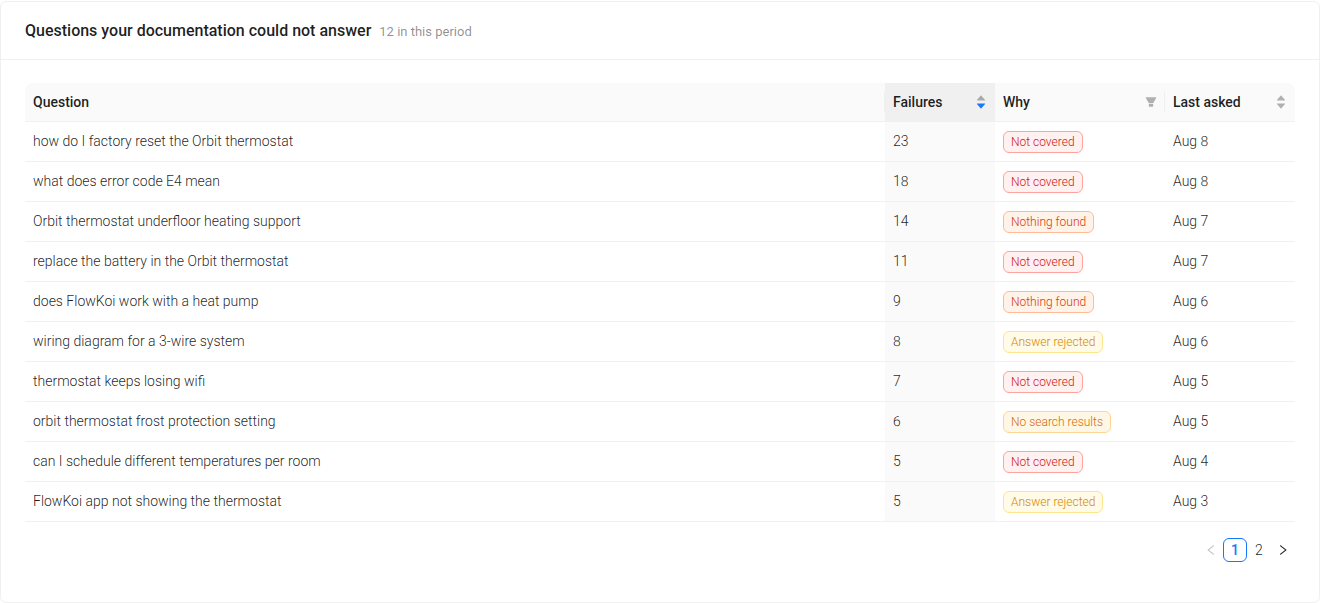
What's cool about Sonat is it's not just easy; it also has a special feature called the Sonat AI Answer Generator. This feature is like magic – you can ask it questions, and it gives you the answers super fast. No more wasting time looking for stuff in big documents. Sonat makes getting the right info quick and easy.
But Sonat doesn't stop there. Picture having a powerful editor, unlimited version history, and efficient collaboration tools at your fingertips. Whether you're crafting training manuals, technical documentation, or policy guidelines, Sonat streamlines the process, making it an ideal companion for various use cases. With controlled publishing, branding options, and SEO assistance, your documents are easily accessible and impactful.
Embrace Sonat, elevate your documentation game, and leave a lasting impression.