Improving Documentation with User Feedback
- Sonat Team
- 26 Jul, 2026
- 05 Mins read
- Documentation Strategy
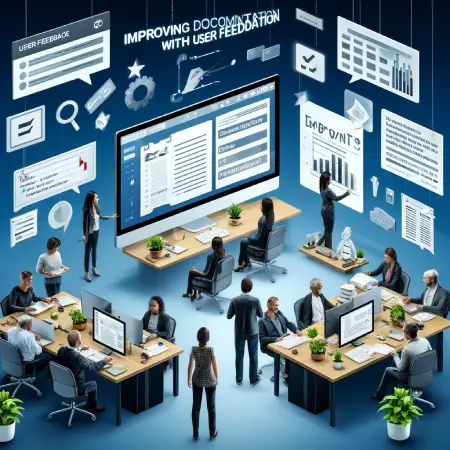
Good documentation acts as a bridge between the functionalities of a product and its users. High-quality documentation not only ensures that users can utilize the product more effectively, but also reduces the workload on support teams by providing answers to common questions and guiding users through complex processes.
User feedback is crucial for the continuous improvement of documentation. It provides direct insights into what users find confusing or lacking, which can guide updates and enhancements. Integrating this feedback ensures that the documentation evolves in tandem with the user’s needs and experiences, leading to increased satisfaction and better user retention.
Understanding User Feedback
By following these steps, documentation can be continually refined to better meet user needs and enhance their overall experience.
Types of Feedback
User feedback can be sorted into a few different buckets:
- Direct feedback comes straight from the user. They might fill out a feedback form, shoot over an email, or even reach out directly.
- Indirect feedback isn’t spelled out by users but can be pieced together from how they interact with the documentation. For example, how long they stay on a page or if they quickly leave (bounce rate).
- Unsolicited feedback pops up where you least expect it, like in online forums or on social media. Users are talking about their experiences without anyone asking them directly.
Gathering Feedback
Here’s how organizations can effectively gather all this feedback:
- Surveys and questionnaires can be part of the documentation or sent after someone uses a service or product. They’re great for nailing down specific insights.
- User comments on documentation pages are gold for snagging feedback that’s tied directly to the content.
- Support tickets offer a wealth of info. Analyzing these can show recurring issues or areas where the documentation might be missing the mark.
Analyzing Feedback
After collecting all this feedback, it’s time to sift through it:
- Categorization means sorting the feedback into themes like usability, accuracy, completeness, or accessibility.
- Prioritization is deciding which feedback is urgent and needs quick action, and which can wait a bit.
- Action planning is all about mapping out the actual changes to make in the documentation based on the feedback collected.
User Feedback Integration Process
Identifying Key Issues
The first step in the feedback integration process is to pinpoint the most critical issues reported by users. This involves combing through the feedback to spot recurring themes or particularly troublesome areas that negatively affect the user experience. By prioritizing these issues, you can make sure that the most significant changes are addressed first.
Content Revision Cycles
Setting up a structured process for revising content is essential:
- Initial Revisions: Start by making the necessary adjustments based on prioritized feedback. This could involve rewriting sections for better clarity, adding information that was previously missing, or reorganizing the content to make it more user-friendly.
- Review and Approval: Before any changes are implemented, they should be reviewed by experts in the subject matter and tested to ensure they effectively resolve the issues raised in the feedback.
- Publishing: Once approved, the updated content is published. It’s also important to communicate these changes to the users if needed.
Feedback Loops
Creating a continuous feedback loop is crucial for sustained improvement:
- Monitoring Changes: After changes are made, it’s important to closely monitor their impact on the user experience. This can be done through analytics and by gathering more feedback from users.
- Iterative Process: Continuously revisit the feedback and update the documentation as new insights are gained or as further adjustments are needed.
- Engaging Users: Keep users in the loop about how their feedback has led to improvements. This not only shows that their input is valued but also encourages them to continue participating and providing feedback, fostering a more engaged community.
Importance of Building a Feedback Culture
Building a feedback culture is crucial for creating an environment where continuous improvement is a priority. This culture encourages both employees and users to actively participate in the development and refinement of documentation, ensuring it stays relevant, useful, and centered around the user’s needs. By highlighting the importance of feedback, organizations can improve their services and maintain high levels of user satisfaction.
Internal Training
Training teams to effectively recognize and utilize feedback is more involved than simply reminding them of its importance. It requires structured training sessions where employees can learn how to interpret user comments and suggestions accurately. Workshops and seminars can equip them with the tools and knowledge needed to constructively handle feedback. Role-playing scenarios can also be valuable in helping team members develop the skills necessary to assess and act on feedback effectively. Furthermore, appointing feedback champions within the team can promote continuous learning and adherence to best practices, as these champions provide guidance and support to their peers.
Open Communication Channels
Keeping communication open between users and documentation creators is essential for a thriving feedback culture. Establishing dedicated feedback portals helps streamline the process, making it easier for users to share their insights and suggestions. It’s important that these portals are user-friendly and integrated directly within the documentation itself. Regular updates on how user feedback is utilized not only keep the communication transparent but also acknowledge the effort users put into their contributions. Additionally, fostering active community forums can serve as a rich source of qualitative feedback, encouraging more user engagement and helping to build a community around the product or service.
Rewarding Feedback
Encouraging users to provide feedback can be greatly enhanced by recognizing and rewarding their efforts. Recognition programs that publicly thank users for their contributions can create a positive feedback loop, motivating more users to engage. Offering tangible incentives, such as access to beta features or discounts, can also increase both the quantity and quality of feedback received. Moreover, implementing feedback leaderboards to highlight and reward top contributors can introduce a fun, competitive element to the feedback process, stimulating greater involvement and richer feedback.
Tools for Feedback & Documentation Management
Managing user feedback effectively is key to maintaining and enhancing the quality of documentation. Employing the right tools can streamline this process, making it easier to gather, analyze, and respond to user inputs. A prime example of such a tool is found on platforms like Sonat.
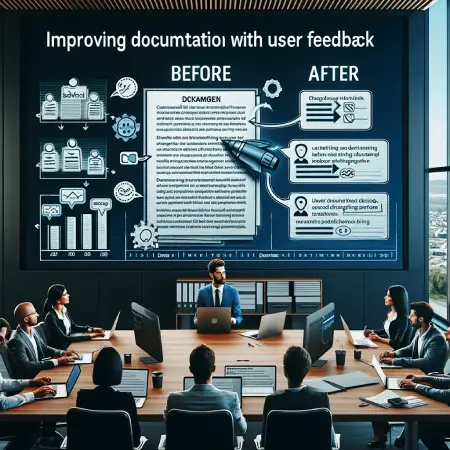
Sonat provides robust features for feedback management, specifically designed to boost user interaction and documentation quality. As noted on their features page, Sonat simplifies the collection of user feedback directly through the documentation. This direct approach ensures that the feedback is specific, relevant, and immediately actionable.
One of the standout features of Sonat is its integrated feedback management system, which enables seamless collection and organization of user insights. Users can comment directly on content, pinpointing specific areas where they encounter difficulties or require additional information. This method not only delivers clear and direct feedback but also contextualizes it, which is invaluable for making precise adjustments.
Moreover, Sonat’s platform supports the efficient publishing of updated documentation. Once feedback is reviewed and necessary revisions are implemented, updating the published materials can be done with just one click. This feature is particularly beneficial as it ensures that the most current information is always accessible to users without delays or complex procedures. It promotes a dynamic cycle of feedback and improvement, encouraging ongoing refinement and user engagement.
By integrating this tools, organizations can ensure that their documentation is not only driven by users but also consistently up-to-date, reflecting the latest user feedback and operational insights. This strategy not only improves the usability of the documentation but also strengthens the relationship between users and service providers.
Want to see Sonat in action?
Sign up now for a forever free plan and see how easy it is to improve your documentation quality!
Related Articles

Documentation Governance: A Simple Framework for Teams
Documentation governance keeps docs accurate after publishing. Set up owners, standards, review cycles, and retirement rules with this simple framework.

How to Run a Documentation Audit: A Step-by-Step Guide
A step-by-step guide to auditing your documentation: build a content inventory, score every page, and decide what to keep, update, or retire.

Content Audit for Documentation: Find and Fix Stale Docs
A step-by-step content audit for documentation teams: build an inventory, flag stale and duplicate topics, and keep your docs accurate.