Customer Service Knowledge Base Best Practices: A Comprehensive Guide
A customer service knowledge base is a centralized repository of information that provides self-service support to customers, allowing them to find answers to common questions or issues.
A knowledge base can improve customer satisfaction, reduce customer service workload, increase customer loyalty, improve agent productivity, and save costs. This article aims to provide best practices for creating and maintaining a customer service knowledge base. By following these practices, businesses can provide a better customer experience and improve their bottom line.
What is a Customer Service Knowledge Base?
A customer service knowledge base is a centralized repository of information that provides self-service support to customers, allowing them to find answers to common questions or issues. It is essentially a library of information that customers can access anytime to resolve their problems without contacting customer support. Knowledge bases can comprise articles, FAQs, videos, tutorials, and other resources that provide step-by-step instructions and troubleshooting advice.
The components of a customer service knowledge base typically include articles, FAQs, tutorials, troubleshooting guides, and other relevant resources. Articles are typically the main component of a knowledge base and are written clearly and concisely. FAQs answer commonly asked questions, while tutorials offer step-by-step instructions on using a product or service. Troubleshooting guides help customers resolve issues they may encounter while using a product or service. Knowledge bases may also include interactive tools such as chatbots, which can help customers find the information they need more quickly and efficiently.
Best Practices for Creating a Customer Service Knowledge Base
Assign a Knowledge Base Manager
Assigning a knowledge base manager is a crucial best practice for ensuring your knowledge base's success and ongoing maintenance. The knowledge base manager should be responsible for the following:
1. Overseeing the creation and maintenance of the knowledge base content.
2. Ensuring that the knowledge base is user-friendly and easily searchable.
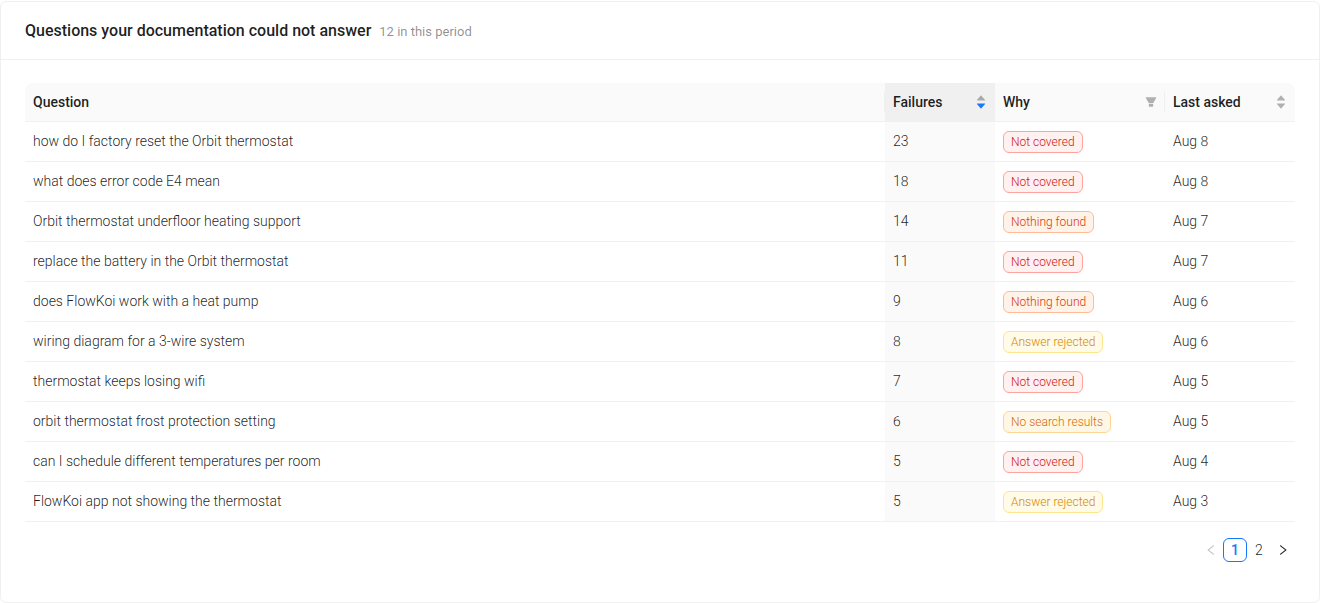
3. Monitoring feedback and analytics to identify areas of improvement and make necessary updates.
4. Coordinating with other departments to ensure the knowledge base is accurate and up-to-date with the latest product or service information.
5. Developing and implementing training programs for staff to ensure they are knowledgeable about the knowledge base and can assist customers effectively.
6. Keeping up with industry trends and best practices to continuously improve the knowledge base.
Analyze Usage and Customer Feedback
Analyzing usage and customer feedback is essential for maintaining and improving the effectiveness of your knowledge base. Here are some best practices to consider:
1. Use analytics tools: Implement analytics tools to track how users interact with your knowledge base. This can provide valuable insights into which articles are viewed most frequently and where users may be experiencing difficulties.
2. Monitor customer feedback: Encourage customers to provide feedback on the usefulness of your knowledge base articles and the platform's ease of use. Monitor this feedback regularly to identify areas where improvements can be made.
3. Incorporate feedback into updates: Use the feedback received to update the knowledge base content and structure. This helps ensure that the knowledge base meets your customer's needs and provides relevant and accurate information.
4. Regularly review and update content: Regularly review and update your knowledge base content to ensure that it remains accurate and up-to-date with the latest product or service information. This also helps ensure that your knowledge base provides your customers with the most relevant and helpful information.
Train Agents on How to Use the Knowledge Base
Training your customer service agents on using the knowledge base is crucial for ensuring they can assist customers effectively. Here are some best practices to consider:
1. Provide thorough training: Develop a comprehensive training program that covers how to use the knowledge base, find answers to common questions, and troubleshoot issues.
2. Make training an ongoing process: Ensure that training is not a one-time event but an ongoing process that includes regular refreshers and updates to the knowledge base content.
3. Encourage agents to use the knowledge base: Encourage agents to use it as their first resource for finding answers to customer inquiries. This can help improve response times and reduce the number of escalations.
4. Monitor agent usage: Monitor agent usage of the knowledge base to identify areas where additional training may be needed, or improvements can be made to the knowledge base content or structure.
5. Recognize and reward agents who use the knowledge base effectively: Recognize and reward agents who use it effectively to encourage its continued use and motivate agents to utilize this valuable resource.
Provide Downloadable Resources
Providing downloadable resources in your knowledge base can be a helpful way to supplement the content and provide additional value to your customers. Here are some best practices to consider:
1. Offer downloadable guides and tutorials: Offer downloadable guides and tutorials that provide step-by-step instructions for using your product or service, troubleshooting common issues, or performing advanced tasks.
2. Provide templates and checklists: Provide downloadable templates and checklists that can help customers organize and keep track of important information related to your product or service.
3. Make resources easy to find: Ensure that downloadable resources are easy to find within the knowledge base by organizing them into categories and providing clear labels and descriptions.
4. Offer resources in multiple formats: Offer downloadable resources in multiple formats, such as PDFs, videos, and audio files, to accommodate different learning styles and preferences.
Include a Chatbot Feature
Including a chatbot feature in your knowledge base can help improve the customer experience by providing quick and efficient answers to common questions. Here are some best practices to consider:
1. Use natural language processing: Use natural language processing technology to enable the chatbot to understand and respond to customer inquiries in a conversational manner.
2. Offer 24/7 availability: Ensure the chatbot is available 24/7 to assist customers at any time of the day or night.
3. Provide seamless integration with live agents: Customers can escalate to a live agent if the chatbot cannot provide a satisfactory answer.
4. Use data and analytics to improve the chatbot: Use customer data and analytics to continuously improve the chatbot's responses and identify areas for improvement.
5. Regularly update the chatbot's knowledge base: Regularly review and update the chatbot's knowledge base to ensure that it remains accurate and up-to-date with the latest product or service information. Additionally, consider expanding the chatbot's capabilities based on customer feedback and evolving customer needs.
Choosing the Best Tool
Sonat is a free and open-source documentation tool that can help businesses and teams create and manage their knowledge base content. Here are some of the features and benefits of using Sonat:
1. User-friendly interface: Sonat has a clean and intuitive interface that makes creating and managing content easy for users.
2. Markdown support: Sonat supports Markdown, a lightweight markup language that makes it easy to format and structure content.
3. Version control: Sonat offers version control functionality, allowing users to track changes and revisions to their content over time.
4. Collaboration features: Sonat enables multiple users to collaborate on a single document, making it easy to work together on creating and maintaining content.
5. Customization options: Sonat offers a range of customization options, such as custom themes and templates, to help users create a knowledge base that reflects their brand and style.
6. Free and open-source: Sonat is free and open-source, meaning users can modify and customize the code to suit their needs. - If you're looking for a free documentation tool that can help you create and manage your knowledge base content, Sonat is worth checking out.