Zendesk Knowledge Base: Analyzing the Pros and Cons
Zendesk Knowledge Base is a cloud-based knowledge management solution that allows businesses to create and manage a centralized repository of information. Its purpose is to provide customers with self-service options to resolve their issues without human assistance while enabling support agents to access relevant information to quickly provide timely and accurate assistance. With the growing importance of customer support in today's competitive business landscape, having a knowledge base can be a game-changer. In this article, we will analyze the pros and cons of using Zendesk Knowledge Base to help you determine if it's the right solution for your business.
Pros of Using Zendesk Knowledge Base
Easy access to information
One of the main benefits of using the Zendesk knowledge base is that it provides customers with easy access to information. With the knowledge base, customers can find answers to their questions quickly and conveniently without contacting support. This can save them time and frustration and improve their overall experience with your business.
The Zendesk knowledge base is designed to be user-friendly and intuitive, making it easy for customers to search for and find the information they need. Customers can search for articles by keywords or phrases or browse by category or topic. The knowledge base also includes features like related articles and suggested articles, which can help customers find answers to related questions or discover additional information they may not have thought to look for.
Reduced support tickets
One of the main advantages of using the Zendesk knowledge base is that it can help reduce the number of support tickets your team receives. By providing customers with self-service support options, you can empower them to find answers to their questions independently without contacting your support team.
This can have several benefits for your business. First, it can reduce the workload on your support team, freeing up time and resources to focus on more complex or urgent issues. This can ultimately improve the efficiency and productivity of your support team, as well as reduce support costs.
In addition, by reducing the number of support tickets your team receives, you can improve the overall customer experience. Customers may become frustrated or dissatisfied if they wait for support or if their issues are not resolved quickly. By providing them with self-service support options through the knowledge base, you can help them find answers to their questions quickly and easily, improving their satisfaction with your business.
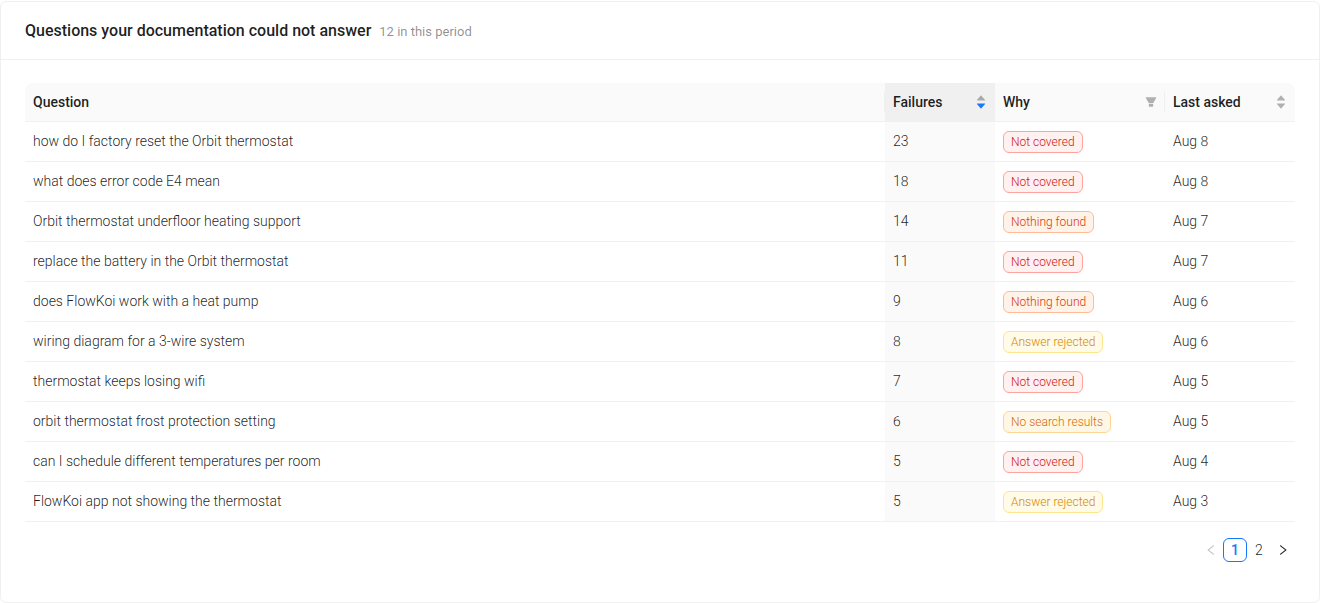
Finally, reducing support tickets can also help you better manage your resources and plan for the future. By analyzing the types of questions and issues customers are searching for in the knowledge base, you can identify areas where additional content or support may be needed. This can help you proactively address customer needs and improve the overall effectiveness of your support strategy.
Centralized knowledge management
The Zendesk knowledge base provides businesses with a centralized location for managing and organizing knowledge. This can be especially beneficial for businesses with multiple teams or departments, allowing them to share information and collaborate more effectively.
With centralized knowledge management, businesses can create a single source of truth for their knowledge, which can help ensure consistency and accuracy. This can be particularly important for businesses with complex products or services, where information must be accurate and up-to-date.
The Zendesk knowledge base also makes it easy to organize and categorize information, improving the efficiency and effectiveness of knowledge management. Businesses can create categories and subcategories to help customers find information more quickly and use tags and keywords to make articles more discoverable.
Another advantage of centralized knowledge management is facilitating collaboration and content creation. By providing a shared location for knowledge, businesses can encourage collaboration between teams and departments and streamline the content creation process. With the ability to assign ownership and roles to articles, businesses can ensure that the right people are responsible for creating and maintaining knowledge, which can help ensure quality and consistency.
24/7 availability
The Zendesk knowledge base is available to customers 24/7, meaning they can access it anytime, anywhere in the world. This can be particularly beneficial for businesses with customers in different time zones or regions, as it ensures that customers always have access to the information they need, regardless of when they need it.
By providing 24/7 availability, businesses can also improve the overall customer experience. Customers may have questions or issues outside of regular business hours, and being able to find answers to their questions or self-serve support can improve their satisfaction with your business.
In addition, 24/7 availability can help reduce the workload on your support team. By providing customers with self-service support options, you can decrease the number of support tickets your team receives during off-hours, allowing them to focus on more complex or urgent issues when they return to work.
Cons of using Zendesk Knowledge Base
Technical expertise required
One potential downside of using the Zendesk knowledge base is that it may require some technical expertise to set up and manage. While the platform is user-friendly and designed to be easy to use, some technical knowledge may be required to customize and configure the knowledge base to meet your business needs.
For example, businesses may need to have some knowledge of HTML and CSS to customize the appearance of their knowledge base and create a custom design. They may also need some APIs knowledge to integrate the knowledge base with other systems or applications.
In addition, businesses may need technical expertise to create and manage articles in the knowledge base. While the article editor is user-friendly, businesses may need to have some knowledge of content creation and management to ensure that articles are well-written, informative, and up-to-date.
Limited customization options
One potential drawback of the Zendesk knowledge base is that it may have limited customization options compared to other knowledge base solutions. While the platform offers a range of customization options, businesses may not be able to customize it to the same extent as other solutions.
For example, businesses may have limited control over the layout and design of their knowledge base, which may not be ideal for businesses that want to create a unique and branded experience for their customers. Additionally, the platform may have limitations in terms of customization of features and functionality, which may not meet the specific needs of some businesses.
Pricing
While the Zendesk knowledge base offers a range of pricing plans to meet the needs of different businesses, pricing may be a concern for some businesses. The platform can be more expensive than other knowledge base solutions, especially for businesses requiring more advanced features and functionality.
The pricing plans are designed to be scalable and flexible, which means businesses can add or remove features and functionality as needed. However, businesses may need to invest in higher-priced plans to access the features and functionality they need, which can be a concern for those operating on a tight budget.
In addition, businesses that require additional support or professional services may also need to pay extra for these services, which can add to the overall cost of the platform.
Initial setup and configuration
Setting up and configuring a knowledge base can be a complex and time-consuming task, especially for businesses that lack dedicated IT resources. Using Zendesk, businesses must invest time and resources into setting up and configuring their knowledge base. This includes creating an article strategy, defining templates, and customizing the knowledge base to meet their needs. Furthermore, businesses may need to invest in training and support for their employees to ensure they are proficient in utilizing the platform and creating compelling articles.
Comparison of sonat and Zendesk Knowledge Base
Comparing Sonat and Zendesk Knowledge Base can be a bit of a brain bender, but one thing to consider is the technical savvy required to use these platforms. Sonat seems to have the upper hand here, as it's designed to be more user-friendly and accessible for folks with varying tech skills. With Sonat's intuitive interface and streamlined design, users can glide through creating knowledge bases without needing extensive technical expertise or a Ph.D. in computer science.
Sonat's simplicity also extends to its setup process, which can be completed in just a few clicks. So easy, even your grandparents could do it! With Sonat, you can instantly add articles, organize them into categories, and customize the look and feel of your knowledge base to match your brand's vibe. Meanwhile, Zendesk Knowledge Base can be a bit like navigating a labyrinth, with multiple menus and options to configure your knowledge base.
Another thing that sets Sonat apart is its ease of use. The platform's intuitive interface and user-friendly design make finding information a snap. The search function is faster than a race car and more accurate than a sniper, delivering relevant results based on your search terms. Plus, Sonat's article editor is so straightforward you can publish articles like a pro without needing a degree in English literature.