How Analytics and Metrics Improve Your Technical Content
In today's digital age, simply having technical content is not enough. You must understand how your content performs to optimize it for better results. Analytics and metrics can help you do just that.
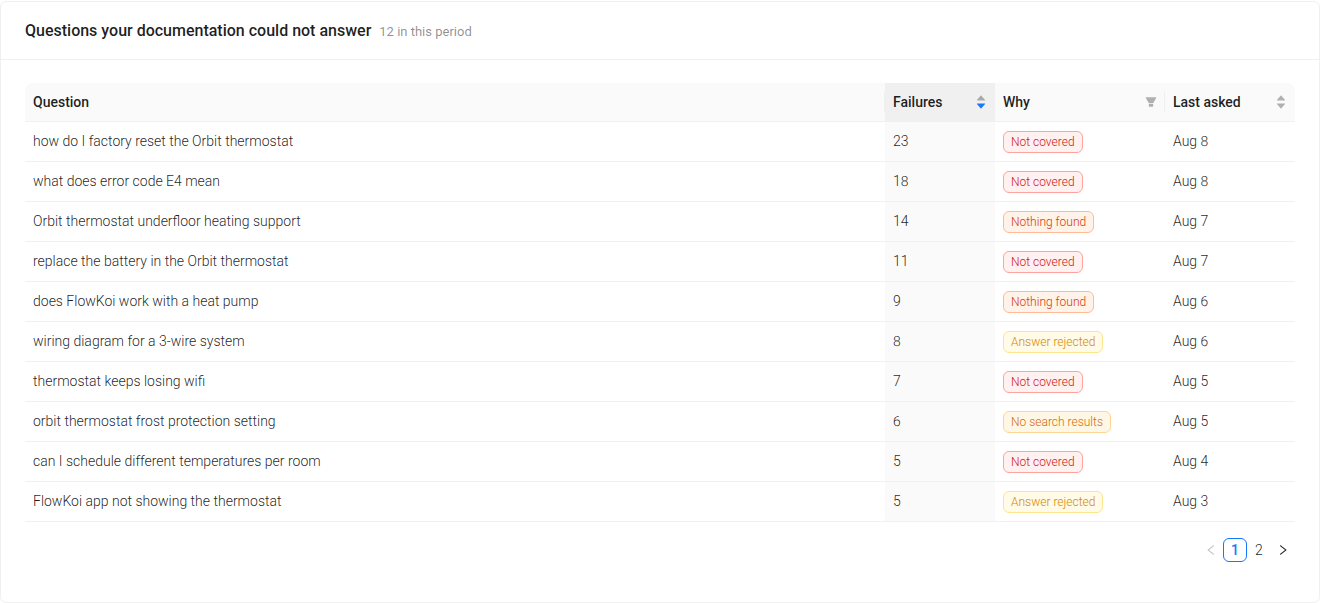
By tracking user behavior and engagement on your website, you can identify pain points and adjust your content to meet your audience's needs better. Are they leaving your site after only a few seconds? Perhaps your content is too complex or not relevant to their interests. By analyzing metrics such as bounce rate and time on site, you can make data-driven decisions to improve your content and keep readers engaged.
But it's not just about improving user experience. Analytics and metrics can also help with search engine optimization (SEO). By understanding which keywords drive your site traffic, you can optimize your content to rank higher in search engine results pages (SERPs).
Now Let us help you take your technical content to the next level with this article.
What are analytics and metrics?
Analytics and metrics are two terms often tossed around like a salad, but don't be fooled by their interchangeable use; they're not quite the same thing. Analytics is like the master chef of data - it's the process of collecting and analyzing an array of information, while metrics are like the salad ingredients - they're the specific data points that add flavor and texture.
In technical content, analytics and metrics can provide valuable insights into how users interact with the content. By tracking metrics such as page views, time on page, and bounce rate, content creators can better understand how users engage with their content and identify areas for improvement. Analytics and metrics can also be used to measure the effectiveness of technical content. For example, by tracking metrics such as conversion rate and engagement, content creators can measure how well their content achieves its intended goals.
Key Performance Indicators (KPIs) for Technical Content
Key Performance Indicators, or KPIs, are a set of specific metrics that are used to measure the success of a particular goal or objective. In technical content, KPIs can be incredibly useful for creators who want to measure how well their content achieves its intended purposes.
Many different KPIs can be used to measure the success of technical content, depending on the goals of the content. Some of the most common KPIs for technical content include pageviews, time on page, bounce rate, conversion rate, and social media shares.
Pageviews are a great general indicator of a piece of content's popularity. Time on a page can help determine if users find the content engaging and valuable. Bounce rate can tell you if users aren't finding the content they're looking for, and conversion rate can help you determine if your content is achieving its intended goal. Finally, social media shares can tell you how valuable users find the content and help you understand how widely it's being shared.
To measure the success of technical content using KPIs, content creators should first identify the goals of the content. Suppose the purpose of a technical tutorial is to educate users on a particular topic, for example. In that case, the KPIs that will be most relevant will be different than if the goal is to drive sales on a product page.
Once the goals have been identified, content creators can select the KPIs that are most relevant to those goals. They can then track those KPIs over time and use the data to make informed decisions about how to optimize the content for better performance. By regularly analyzing KPIs, content creators can ensure that their content meets its intended goals and achieves the desired results.
Of course, it's essential to remember that KPIs are just one tool in the arsenal of a content creator. It's important to remember that many factors can influence the success of technical content, including the quality of the writing, the accuracy of the information presented, and the visual design of the content. However, by using KPIs to measure the success of technical content, content creators can gain valuable insights into how their content is performing and make informed decisions about optimizing it for even better results.
Identifying areas for improvement in technical content
One of the most valuable aspects of using analytics and metrics in technical content creation is the ability to identify areas for improvement. By analyzing metrics such as page views, time on page, bounce rate, conversion rate, and social media shares, you can gain insights into your content's performance and where it may fall short.
To effectively identify areas for improvement, setting specific goals for your technical content is crucial. What do you want to achieve with your content? Is it to inform and educate users, drive sales, or improve brand awareness? By defining these goals, you can better determine which metrics to focus on and how to interpret the data.
For example, if your goal is to improve user engagement and satisfaction, you may want to look at metrics such as time on page and bounce rate. A high bounce rate on a particular page may indicate that users are not finding what they need, which could suggest that the content needs to be updated or reorganized.
Similarly, you may want to focus on metrics such as conversion rate and social media shares to increase conversions and revenue. A low conversion rate on a product page may indicate that the content is not effective in driving sales and may require changes to the content or calls to action.
How to optimize technical content based on data-driven insights
Once you have identified areas for improvement in your technical content using analytics and metrics, optimizing that content based on data-driven insights is next. Here are some strategies to consider:
- Using data to inform content creation: By analyzing metrics such as page views, time on page, and social media shares, you can gain insights into what content resonates with your audience. You can use this information to create more content that is performing well or update underperforming content based on data insights.
- Conducting A/B testing: A/B testing involves creating two versions of a piece of content, such as a blog post or landing page, and testing them against each other to determine which performs better. This can involve testing different headlines, calls to action, or layouts. You can optimize your content for better performance using the data from these tests.
- Using data to improve user experience: User experience is a critical factor in the success of your technical content. By analyzing metrics such as bounce rate and time on page, you can gain insights into how users interact with your content and where they may be encountering roadblocks. This can help you improve your content's layout, design, and navigation to create a more seamless user experience.
- Creating content with specific goals in mind: When creating technical content, it's essential to have particular purposes, such as driving sales or improving brand awareness. You can make data-driven decisions about optimizing your content for better performance by using analytics and metrics to track progress toward these goals.
Tools for Analyzing Technical Content Metrics
To expertly harness the powers of analytics and metrics to elevate your technical content, one must have access to the right tools. Behold, dear reader, a smattering of top-tier tools for analyzing technical content metrics:
First and foremost, let us bow down to the mighty Google Analytics - a free tool with many metrics to track the performance of your technical content. It'll let you stalk pageviews, time on page, bounce rates, conversion rates, and more. Setting goals and tracking progress toward objectives is just the cherry on top.
Next up, SEMrush - a powerhouse tool for analyzing the SEO performance of your technical content. It gives you mind-boggling insights into keyword rankings, backlinks, organic traffic, competitive analysis, and optimization recommendations. Whew!
And we cannot forget Moz, another SEO-focused tool that dishes out metrics such as domain authority, page authority, and keyword rankings. Plus, it includes site auditing and optimization recommendations for those wanting to improve their game.
Then, we have Ahrefs, a comprehensive SEO tool that gives insights into keyword rankings, backlinks, and competitor analysis. It also comes with content analysis features like a content explorer and site audit to help you optimize your technical content for peak performance. Fancy!
Lastly, we have the almighty Hubspot, a robust marketing automation tool with all the bells and whistles for analyzing technical content metrics. You can revel in website traffic, conversion rates, lead generation, and content optimization recommendations all in one place. How's that for a one-stop shop?
Is there any shortcut in this process?
While there is no magic shortcut to creating high-quality technical content, using tools like Sonat can make the process more efficient and effective. Sonat is a free documentation tool with a user-friendly interface for creating technical content. It offers a range of features that make it easy to organize and manage your content, such as a table of contents, markdown formatting, and version control.
One of the benefits of using Sonat is its integration with Google Analytics. This allows you to track the performance of your technical content and gain insights into how your audience uses it. With Sonat's analytics integration, you can track metrics such as page views, time on page, bounce rate, and conversion rate and use these insights to optimize your content for better results.
Sonat also offers collaborative features, allowing multiple team members to work on the same document simultaneously. This can be particularly useful for technical content creation, where various stakeholders may need to contribute to the same document.