How to create a Troubleshooting Guide from scratch
Having a troubleshooting guide is a crucial aspect of providing excellent customer support and reducing frustration for both customers and support teams. It allows customers to quickly find answers to common issues and resolve problems independently, reducing the number of support requests. Moreover, a well-crafted troubleshooting guide can help customers better understand your product or service and increase their satisfaction.
The purpose of this article is to guide you through the process of creating an effective troubleshooting guide. The blog post will cover the definition and benefits of a troubleshooting guide, as well as provide best practices and tips on how to create a guide that meets the needs of your customers.
Whether you are creating a troubleshooting guide for a product, service, or application, the information in this article will help you create one that is easy to use and provides valuable support to your customers.
What is a Troubleshooting Guide?
A troubleshooting guide is a document or resource that provides step-by-step instructions for resolving common issues or problems with a product, service, or application. It is designed to help customers resolve problems quickly and easily without contacting support. Troubleshooting guides typically include a list of common issues, a description of the problem, and step-by-step instructions for resolving the issue.
Having a troubleshooting guide provides numerous benefits for both customers and businesses. For customers, it offers a quick and easy way to resolve problems, reducing frustration and increasing satisfaction. A well-crafted troubleshooting guide can also help customers understand the product or service better and increase their confidence in using it.
For businesses, a troubleshooting guide can significantly reduce the volume of support requests, freeing up support resources to focus on more complex issues. It can also improve customer satisfaction and reduce customer churn, as customers are more likely to stick with a product or service that provides excellent support. In addition, having a troubleshooting guide can also improve the reputation of the business and increase customer loyalty.
Why is creating a Troubleshooting Guide Important?
A. Improves Customer Satisfaction
A troubleshooting guide is an essential tool for improving customer satisfaction. By providing customers with step-by-step instructions for resolving common issues, businesses can quickly and effectively resolve problems.
B. Saves Time and Resources
Creating a troubleshooting guide can also save time and resources for both customers and businesses. Customers can quickly find the solution to their problem without having to wait for support, freeing up support resources for more complex issues. In turn, businesses can reduce the volume of support requests and devote more time and resources to other critical tasks.
C. Increases Productivity
A troubleshooting guide can also increase productivity by allowing customers to resolve issues independently, freeing up valuable time that can be spent on other tasks. This increased efficiency can lead to increased productivity and improved performance, making a troubleshooting guide a valuable investment for any business.
D. Enhances Brand Image
A well-crafted troubleshooting guide can also enhance a business's brand image by demonstrating its commitment to providing high-quality support. By providing customers with the resources they need to quickly and effectively resolve issues, companies can build trust and credibility with their customers, leading to improved brand loyalty and customer retention.
How to create a Troubleshooting Guide
Define the Problem and Find Common Issues
Defining the problem and finding common issues is the first step in creating a troubleshooting guide. This involves identifying the most common problems that customers encounter and determining the root cause of each issue. This information will be used to create a step-by-step process for resolving each issue.
To define the problem and find common issues, consider the following steps:
- Gather Customer Feedback: Obtain feedback from customers to determine the most common issues they encounter. This can be done through surveys, customer support tickets, or direct conversations with customers.
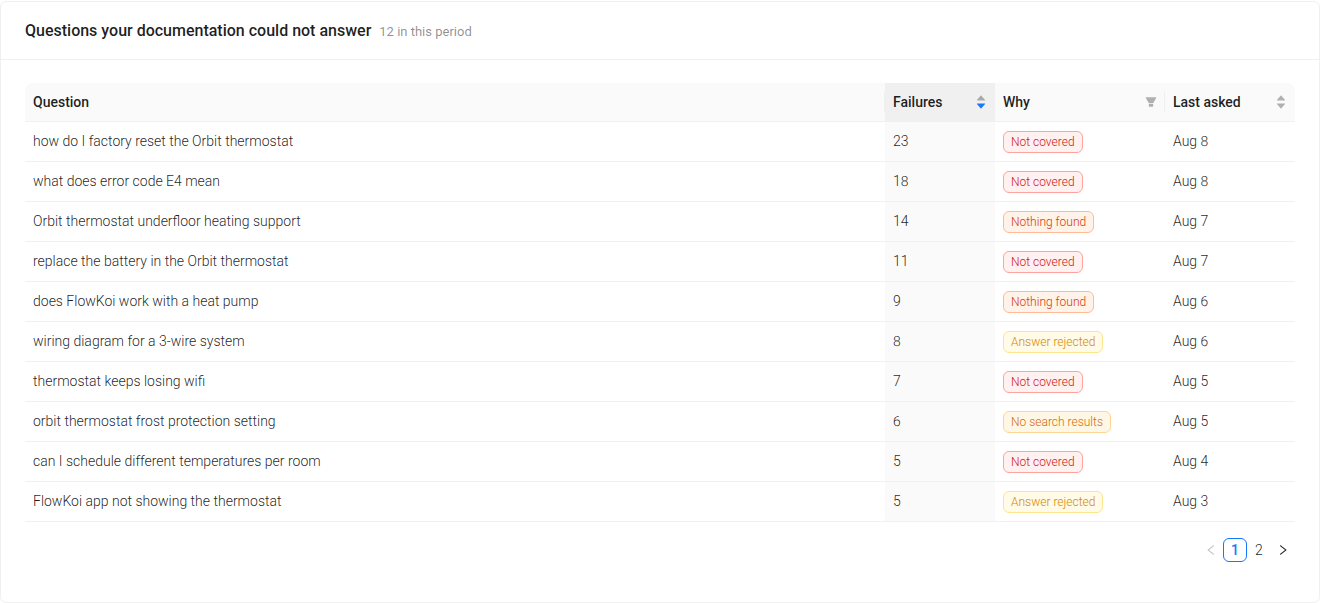
- Analyze Support Requests: Review support requests to identify patterns and common issues. This will give you insight into the types of problems customers are facing and help you prioritize which issues to address first.
- Collaborate with Support Teams: Work with your support teams to identify the most common issues they encounter. Support teams interact with customers on a daily basis and can provide valuable insights into the types of problems customers are facing.
- Identify Root Causes: Determine the root cause of each issue by analyzing customer feedback, support requests, and collaboration with support teams. This will help you determine the best solution for each problem and create a step-by-step process for resolving each issue.
Create a Step-by-Step Process for Each Issue
Explaining the step-by-step process for each issue is crucial to create a troubleshooting guide. The goal is to provide customers with clear and concise instructions that they can follow to resolve the issue. The process should be easy to understand, and each step should be accompanied by visuals, such as screenshots, to help illustrate the instructions.
To create a step-by-step process for each issue, consider the following steps:
- Determine the Steps: Based on the root cause of each issue, determine the steps required to resolve it. Keep in mind that each issue may need a different process, so be sure to create a separate process for each issue.
- Use Clear and Concise Language: Use language that is easy to understand, and avoid technical jargon or industry terms that may confuse customers. Use short sentences and bullet points to break up the text and make it easier to follow.
- Add Visual Aids: Include visuals, such as screenshots or diagrams, to help illustrate each step in the process. This can significantly enhance the customer's understanding of the solution and increase the chances of successful resolution.
- Test the Process: Test each process by following the steps yourself or having another team member test it. This will help you identify any errors or areas where the instructions could be improved, allowing you to make any necessary changes before publishing the guide.
Include Visuals and Screenshots to Help Illustrate the Steps
Including visuals and screenshots in a troubleshooting guide is essential for effectively communicating the solution to customers. Visual aids, such as screenshots or diagrams, can greatly enhance a customer's understanding of the solution and increase the chances of successful resolution.
Here are some best practices for incorporating visuals and screenshots in your troubleshooting guide:
- Use Relevant Screenshots: When taking screenshots, be sure to capture only what is necessary to illustrate the step. This will help keep the troubleshooting guide concise and easy to follow.
- Highlight Key Areas: Use highlighting or arrows to draw attention to important elements in the screenshot. This will help customers easily identify what they need to do to resolve the issue.
- Provide Clear Captions: Provide a clear and concise caption for each screenshot that explains what the customer should be looking at. This will help to further clarify the instructions and make it easier for the customer to understand.
- Consider Video Tutorials: In addition to screenshots, consider including video tutorials in your troubleshooting guide. Video tutorials can provide customers with a more immersive and interactive experience, helping them to better understand the solution.
Test the guide before publishing
to create a troubleshooting guide, testing the troubleshooting guide before publishing is a crucial step. By testing the guide, you can identify any errors, gaps, or areas where the instructions could be improved, allowing you to make any necessary changes before it is made available to customers.
Here are some tips for testing your troubleshooting guide:
- Conduct User Testing: Ask a representative group of customers or a team member to test the guide by following the instructions. This will help you determine how well the guide is understood and if it is effective in resolving the issue.
- Check for Clarity: Make sure that each step in the guide is clear and easy to follow. Ensure that the instructions are not too lengthy or complicated, and that they are presented in a logical order.
- Test All Issues: Ensure that all of the issues included in the guide have been thoroughly tested and that the solutions provided are effective.
- Verify Accuracy: Double-check all of the information in the guide to ensure that it is accurate and up-to-date. This includes checking for typos and grammatical errors and verifying that all links and references are correct.
Need help creating a troubleshooting guide from scratch?
So far, we have covered the definition and benefits of a troubleshooting guide, and how to create a step-by-step process for each issue. However, the process of creating a troubleshooting guide does not end here.
Sonat as a free online guide creator can help simplify the process of creating a troubleshooting guide. With its user-friendly interface and powerful tools, you can easily create a guide that meets the needs of your customers.
Some of the key benefits of using sonat as an online guide creator include:
- Easy to Use: Sonat is designed to be user-friendly, making it easy for anyone to create a professional-looking guide, even if they have no prior experience.
- Customizable Templates: Sonat provides a range of free templates that can be customized to meet your specific needs. You can choose from a variety of layouts, colors, and fonts styles to create a guide that fits your brand.
- Drag and Drop Editor: With sonat's drag and drop editor, you can easily add text, images, and videos to your guide, making it simple to create a visually appealing and informative resource.
- Collaboration Tools: Sonat offers collaboration tools that allow you to work with others on your guide, making it easier to create a comprehensive and accurate resource.
- Publish and Share: Once you have created your guide, you can publish it and share it with your customers. Sonat provides a range of options for publishing and sharing your guide, including embedding it on your website or sharing it via social media.
Overall, sonat, as a free online guide creator provides an easy-to-use and flexible solution for creating effective troubleshooting guides. Whether you are creating a guide for a product, service, or application, sonat can help you create a guide that provides valuable support to your customers and helps to improve customer satisfaction.