Why a Knowledge Base is Key to Successful Internal Communication
Effective internal communication is essential for success in today's fast-paced business world. Poor communication can lead to misunderstandings, errors, and missed opportunities. This is why companies need to have efficient communication tools and strategies in place. One such tool that has gained popularity in recent years is the knowledge base.
A knowledge base is a centralized information repository that provides employees access to critical information and resources. It can include articles, how-to guides, FAQs, and other relevant content. Unlike other communication tools, a knowledge base is specifically designed to organize and store information in a way that is easy to access and search.
In this article, we'll explore why a knowledge base is key to successful internal communication. We'll discuss the benefits of a knowledge base, its key features, and how it can be implemented and adopted within an organization. By the end of this article, you'll have a better understanding of how a knowledge base can improve your company's internal communication and contribute to its overall success.
What is a Knowledge Base?
A knowledge base is a centralized repository of information designed to facilitate knowledge sharing and management within an organization. It typically contains information on various topics, from company policies and procedures to product information and troubleshooting guides.
Unlike other communication tools, such as email or messaging platforms, a knowledge base is specifically designed to store and organize information for easy retrieval and use. It is often structured in a way that allows users to search for information using keywords, categories, or tags. It may include features such as commenting and feedback to encourage collaboration and knowledge sharing.
There are many different types of knowledge bases, each tailored to the specific needs and goals of the organization. For example, a customer support team may use a knowledge base to store and share information on common customer issues and solutions. In contrast, a sales team may use a knowledge base to store and share product information and sales strategies.
Other examples of knowledge bases include:
- Internal knowledge bases: Used to store and share information within an organization, such as company policies and procedures, employee handbooks, and training materials.
- External knowledge bases: Used to store and share information with external stakeholders, such as customers, partners, or vendors.
- Industry knowledge bases: Used to store and share information on industry-specific topics, such as regulations, standards, and best practices.
- Personal knowledge bases: Used by individuals to store and organize personal information, such as notes, bookmarks, and ideas.
By providing employees with easy access to information, organizations can improve productivity, reduce errors, and ultimately contribute to the organization's success.
How a Knowledge Base Improves Internal Communication
A knowledge base can significantly improve internal communication within an organization. Here are some ways in which it can do so:
- Increases accessibility and organization of information
A knowledge base makes it easier for employees to access the information they need when they need it. By storing data in a centralized location and making it searchable, employees can quickly find the information they need without wasting time searching through emails or other documents.
In addition, a knowledge base helps to organize information logically and intuitively. By using categories, subcategories, and tags, employees can quickly locate relevant information and better understand how different pieces of information are related to each other.
- Provides a centralized location for important information
A knowledge base makes it easy for employees to find all the information they need in one central location. This can include company policies and procedures, product information, troubleshooting guides, and other important information that employees need to perform their jobs effectively.
Having all this information in one place allows employees to quickly access what they need, saving time and improving efficiency. This also reduces the risk of important information getting lost or overlooked, which can have serious consequences in some industries.
- Enables quick and easy sharing of information across teams
A knowledge base can also enable quick and easy information sharing across an organization's teams. By having a centralized repository of information, teams can easily collaborate and share knowledge without sending emails or attending meetings.
This can be particularly useful for teams working on a project together or for geographically dispersed teams. By accessing the same information, teams can work more efficiently and make more informed decisions.
- Reduces redundancy and errors in communication
A knowledge base can help reduce redundancy and communication errors within an organization. Employees can avoid duplicating efforts or sending conflicting messages by having a centralized repository of information.
In addition, a knowledge base can help to reduce errors by ensuring that all employees have access to the same, up-to-date information. This can help to prevent misunderstandings or mistakes that can result in costly errors.
- Encourages collaboration and knowledge sharing among team members
A knowledge base can also encourage collaboration and knowledge sharing among team members within an organization. By allowing employees to comment on or contribute to existing information, a knowledge base can facilitate discussion and debate, leading to a better understanding of complex issues.
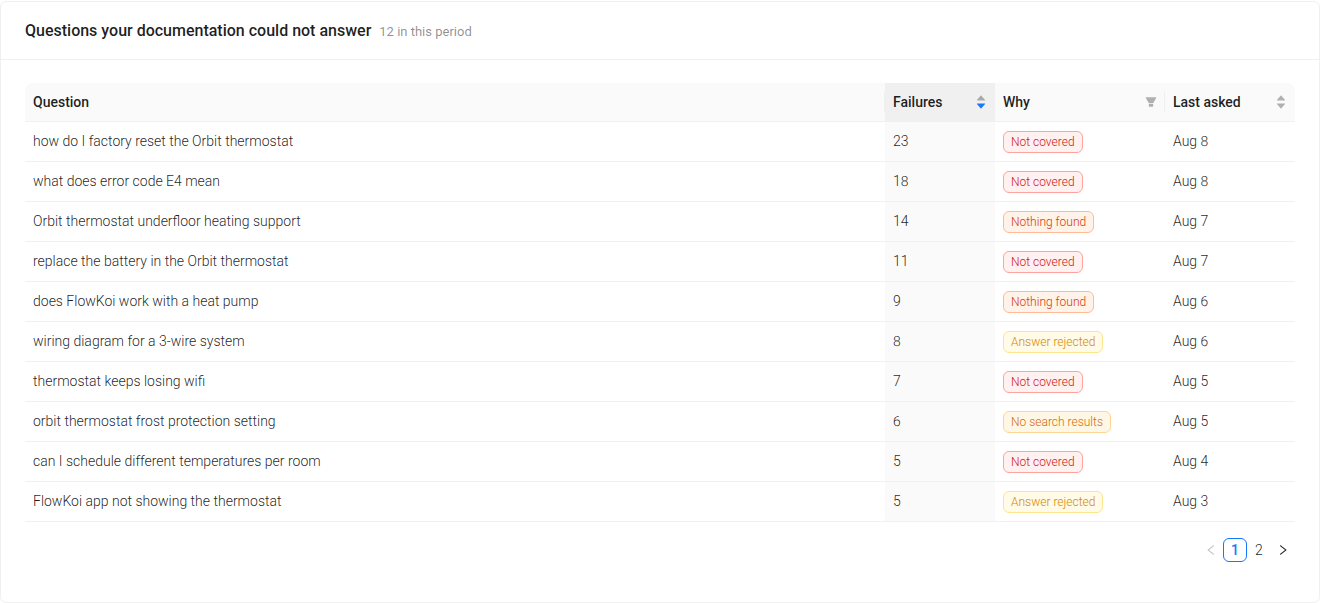
In addition, a knowledge base can help to identify knowledge gaps within an organization. Organizations can identify areas where employees may need additional training or support by analyzing search queries and user behavior.
Key Features of an Effective Knowledge Base
User-friendly interface
A knowledge base is only effective if it's easy for employees to use. A user-friendly interface is one of the most important features of a knowledge base. Employees should be able to quickly and easily find the information they need without navigating through a complex or confusing system.
A knowledge base should have a simple and intuitive design to achieve a user-friendly interface. It should be easy to navigate, with clear categories and subcategories that help users locate the necessary information. The search functionality should also be powerful and accurate, allowing users to find specific information quickly.
It's also important to consider the visual design of the knowledge base. The layout and design should be visually appealing and consistent with the company's branding. Using images, videos, and other multimedia elements can also make the knowledge base more engaging and user-friendly.
Search functionality
Search functionality is another important feature of a knowledge base. A powerful search function enables employees to quickly find the information they need, even if they don't know the exact location of the information within the knowledge base.
To ensure the search function is practical, the knowledge base should use a reliable search engine to deliver accurate and relevant results. The search function should also allow for advanced search options, such as filtering results by date, category, or type of content.
In addition, the knowledge base should use a tagging system to help categorize and organize the content. Tags are keywords assigned to each article or piece of content, and they help make the content easier to find when searching for specific topics or categories.
Up-to-date information
Another critical feature of an adequate knowledge base is up-to-date information. Ensuring the knowledge base is regularly maintained and updated with the latest information is vital, as outdated or incorrect information can lead to confusion and errors.
To ensure that the information in the knowledge base is up-to-date, it's important to establish a system for content creation and maintenance. This may include assigning a team or individual responsible for creating and updating content, establishing a content review process, or implementing a system for user-generated content and contributions.
In addition, the knowledge base should have a system for archiving outdated content or marking it as obsolete. This helps prevent employees from accessing outdated information and ensures they always work with the most current and accurate information.
Categorization and organization of information
Categorization and organization of information is other important feature of a knowledge base. It's essential to ensure that the information in the knowledge base is organized logically and intuitively, with clear categories and subcategories that help users locate the information they need.
The knowledge base should have a well-defined taxonomy or categorization system to effectively categorize and organize information. This system should be based on user's needs and preferences, with categories that reflect the most common content and topics.
It's also important to consider using tags or keywords to help users locate relevant content. Tags can be used to identify related content across different categories and help users discover new information they may not have otherwise found.
Integration with other communication tools
Integration with other communication tools is another important feature of a knowledge base. To be effective, a knowledge base should be integrated with other communication tools that employees use regularly.
For example, the knowledge base could be integrated with a company's email system, allowing employees to quickly access relevant information while composing emails. It could also be integrated with a company's intranet or internal messaging system, making it easy for employees to access the knowledge base within the context of their work.
By integrating the knowledge base with other communication tools, organizations can help to ensure that employees have easy access to the information they need when they need it. This can improve internal communication and streamline processes within the organization.
It's also important to consider using mobile apps or other tools that allow employees to access the knowledge base from anywhere, at any time. This can be especially important for remote or distributed teams, who may need to access information from various locations and devices.
Implementation and Adoption of a Knowledge Base
Introducing a knowledge base into an organization requires more than just setting up the software. The following steps can help ensure successful implementation and adoption:
- Getting buy-in from stakeholders: Before implementing a knowledge base, it's essential to get support from key stakeholders such as executives, department heads, and IT professionals. This can involve presenting the benefits of a knowledge base and how it aligns with the company's goals and values.
- Establishing guidelines and best practices for usage: Clear guidelines and best practices can help ensure that the knowledge base is used effectively and consistently across the organization. This can include guidelines for content creation, categorization, and searchability.
- Encouraging ongoing usage and contributions: To ensure the knowledge base remains up-to-date and valuable, it's vital to promote ongoing user contributions. This can involve recognizing and rewarding contributions, as well as soliciting feedback and suggestions for improvement.
- Training and support to users: Finally, it's important to provide training and support to users to help them effectively use the knowledge base. This can involve providing tutorials and resources, as well as offering ongoing support and troubleshooting assistance.
By following these steps, organizations can successfully implement and adopt a knowledge base to improve their internal communication and collaboration.
Get Started
As a free knowledge base tool, Sonat can be a valuable addition to any organization's communication toolkit. If you're interested in implementing a knowledge base to improve your internal communication and collaboration, consider trying out Sonat.
To get started with Sonat, simply sign up for a free account on their website and begin exploring its features. With its user-friendly interface and powerful search functionality, Sonat can help you organize and access critical information quickly and easily. And with its collaborative features, you can encourage your team members to contribute their knowledge and expertise to the knowledge base, promoting a culture of collaboration and knowledge sharing.
So why wait? Start improving your internal communication and collaboration today with Sonat. Sign up for your free account and see how it can benefit your organization.