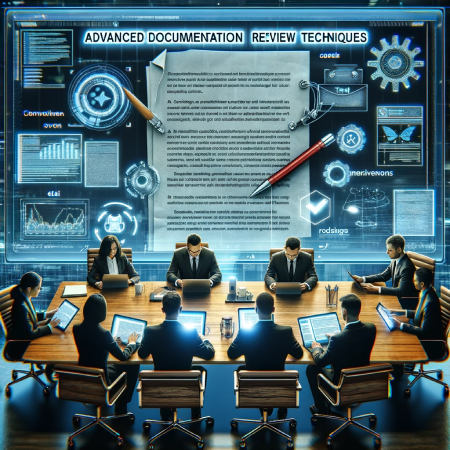
Advanced Documentation Review Techniques
- Sonat Team
- 26 Jul, 2026
- 08 Mins read
- Documentation Strategy
In today’s world, being quick and smart about going through tons of documents is key to winning lots of jobs. Think about lawyers diving into cases or tech whizzes figuring out complicated stuff. It’s all about getting down to the nitty-gritty of papers and files that make or break big decisions and actions. This piece is your go-to guide on the cool ways to get better at checking documents, making sure you’re on point, quick, and insightful with the heaps of papers and digital docs we deal with.
At its heart, reviewing documents means looking through them with an eagle eye for a bunch of reasons like making sure everything’s correct, following rules, pulling out important info, or checking quality. This isn’t something new, but oh boy, how it’s changed! From old-school paper checks to the digital do’s of today, it’s been quite the ride. This change-up is part of the bigger picture of how we whip up, swap, and digest info nowadays.
But here’s the kicker: as more and more data piles up like never before, the pressure’s on to not just skim through, but to dig in and make sense of massive info dumps, and that too, in no time. That’s where some genius-level document review tactics come into play. These are smarty-pants strategies that use the latest tech, and brainy science stuff, and team up in new ways to tackle the info beast.
The growth of how we review documents is pretty amazing, showing how clever and flexible folks across fields have become. From detailed paper checks to throwing AI and machine learning into the mix, it’s all about keeping up with tech. Yet, the main aims stay the same: making sure the info is spot-on, complete, and useful for making moves and getting things done.
Diving into the fancy world of top-tier document review, we’re on a mission to understand why it’s so darn important and to get the scoop on mastering this skill.
The Fundamentals of Documentation Review
When it comes to making sure documents are up to snuff, there’s a bit of a recipe for success. Let’s break it down into the must-have ingredients:
- Accuracy and Reliability: First off, we’ve got to make sure everything in those documents is on point and trustworthy. It’s like fact-checking to ensure the info isn’t just fluff but solid gold.
- Relevance: Next up, we sift through to find the bits that matter for what we’re trying to figure out or achieve. It’s all about zooming in on the stuff that hits the nail on the head.
- Completeness: Here’s where we do a full sweep to check nothing’s missing. It’s like making sure you’ve got all the puzzle pieces before you start putting them together.
- Clarity and Understandability: This one’s key for making sure anyone who needs to get the message can, without scratching their heads. Documents should be as clear as a sunny day, organized, and speak the language of the intended crowd.
- Compliance: In a lot of fields, there are rules you just can’t skirt around. This step is all about ensuring documents toe the line with legal stuff, regulations, and any in-house rules.
- Timeliness: Last but not least, documents need to be fresh off the press, so to speak. In a world where things change at lightning speed, outdated info is about as useful as a chocolate teapot.
Techniques for Effective Documentation Review
Diving into the world of reviewing documents, there’s a whole art to doing it right that goes way beyond just reading line by line. It’s about mixing smart strategies, sharp thinking, and tech tricks to get what’s going on in those complex texts. Let’s walk through some top tips that can make anyone a pro at understanding documents better.
Knowing When to Skim and When to Dig Deep
First off, figuring out when to just glance through a document and when to get into the weeds is key. Skimming lets you catch the big ideas, the layout, and the must-see parts fast, especially when you’re swamped with paperwork or just starting your review. It’s your first pass to pick out what needs a closer look later. On the flip side, deep diving into a document is for those times when every word counts—like with contracts or official rules where missing a detail could spell trouble.
How to Read the Tough Stuff
For the dense documents, a few smart reading moves can help:
- Annotation and Note-Taking: Jotting down thoughts or highlighting bits directly on the document keeps you engaged and makes it easier to come back to important points.
- Summarizing: Boil the document down to its essence yourself. It helps solidify your understanding of what’s important.
- Comparing Texts: Look at how different documents stack up against each other. It’s about spotting matches, mismatches, and things that complement each other.
Tech to the Rescue
Bringing in digital tools can change the game by taking care of the boring bits, keeping things organized, and making info easy to find and share. Here’s what’s helpful:
- Document Management Systems (DMS): These are your digital filing cabinets, making sure you can always find what you need without digging through piles of paper.
- Text Analysis Tools: Think of these like your speedy reading assistant that can sift through pages, pointing out key themes or words way quicker than a human could.
- Collaboration Platforms: These let teams tackle documents together in real time, making sure everyone’s on the same page and can share their two cents as they go.
Also read: Importance of document collaboration software for businesses.
Making Sense with Visuals and Checklists
Sometimes, a good chart or graph says more than a whole page of text, especially with data-heavy documents. Don’t underestimate a good checklist or structured review process to keep your analysis on track and consistent across different documents or with different people checking things out.
Never Stop Learning
The world of document review doesn’t stand still, so keeping up with new tools, rules, and techniques is a must. It’s all about staying sharp so you can keep up with the latest in document tech, legal updates, and industry know-how.
Advanced Methods in Documentation Review
In the modern maze of document management, advanced methods are not just a fancy add-on; they’re game-changers that make the review process smarter, quicker, and more insightful. Let’s dive into some cutting-edge techniques shaking things up in the world of document review.
Mining Texts and Crunching Data Across Vast Document Lands
Imagine being able to sift through a mountain of documents in the blink of an eye. Text mining and data analysis tools do just that, wielding algorithms like magic wands to uncover patterns, sentiments, and critical bits of info hidden in the textual vastness. This tech is a goldmine for fields where knowing more—and knowing it faster—can put you leaps ahead, like legal research, market analysis, and scholarly work.
Smartening Up Review with Artificial Intelligence
Artificial intelligence (AI) is stepping out of sci-fi into our offices, especially when it comes to understanding and evaluating documents. AI, with its machine learning prowess, is getting better at grasping what documents are really about, spotting connections, and even predicting which documents might matter most for your quest. This is a big deal in areas like legal reviews, where AI can sort through cases and laws, lightening the load for human brains.
Want to improve the efficiency and accuracy of your documentation processes but don’t know where to start? Contact us to learn how AI can help your business.
Comparing Notes on Similar Documents
When you’re juggling documents that seem to echo each other, comparative review strategies can save the day. By lining them up side by side, either literally or through software, you can spot the differences, contradictions, or bits that perfectly fit together. It’s like having x-ray vision for texts, and it’s a lifesaver for contract reviews, academic digging, or ensuring everything’s up to snuff quality-wise.
Seeing the Big Picture with Visualization Tools
Sometimes, a picture is worth a thousand words—or a thousand data points. Visualization tools help by turning complex info into charts, graphs, and dashboards that speak volumes at a glance. These tools are invaluable for making sense of dense stats, financial rundowns, or research findings, letting you catch trends and outliers without getting bogged down in data quicksand.

Securing the Document Vault with Blockchain
Blockchain is the new kid on the block when it comes to keeping documents safe and sound. By logging every move a document makes in a secure, unchangeable record, blockchain technology ensures that every edit, access, or sharing is transparent and traceable. This is a big deal for fields where the truth of a document’s history and authenticity can make or break a case or deal.
Keeping Tabs on Documents in Real Time
In a world that never sleeps, staying on top of document updates and changes is crucial. With tools that monitor and analyze documents as they evolve, you’re always in the know, ready to act on the latest info, trends, or regulatory shifts. This ongoing vigilance is key in areas like compliance, media, and competitive strategy, where yesterday’s news is old news.
Specialized Documentation Review Strategies
Specialized strategies for reviewing documents come into their own when you zoom in on specific fields like legal, technical, and financial sectors. Each of these areas comes with its playbook, full of terms, standards, and requirements that demand a custom-fit approach to document analysis.
Legal Document Review: The Fine Art of Legal Precision
When you’re in the legal arena, reviewing documents is no small task. It’s about piecing together the story, making sure you’re on solid legal ground, and keeping sensitive information under wraps.
- Keyword Searches and Boolean Logic: A lifesaver in a sea of legal documents, this technique helps zero in on the crucial bits by using specific search terms combined in smart ways.
- Privilege Review: This is the detective work of spotting documents that should stay confidential to protect legal rights and relationships.
- Relevance Assessment: Here’s where legal minds shine, deciding whether a document matters to the case or the legal question at hand.
- Chronology Creation: Like assembling a timeline puzzle, this involves putting documents to map out what happened and when.
- Redaction and Annotation: The dual process of hiding sensitive info while marking up documents with keynotes for quick reference during legal battles or talks.
Technical Document Review: Navigating the Technical Maze
Technical documents, be they engineering blueprints, scientific papers, or user manuals, call for a blend of deep knowledge and an eye for detail.
- Peer Review: Bringing in experts to weigh in ensures the content is spot-on, understandable, and achieves its purpose.
- Version Control: Essential in projects that evolve, keeping a clear record of document versions prevents mix-ups and confusion.
- Visual Aids: Diagrams and graphs aren’t just pretty pictures; they’re often central to getting the technical message across.
- Usability Testing: For user guides and manuals, testing how well the document works for the intended users can highlight areas for improvement.
Financial Document Review: The Numbers Game
In the financial world, documents are the map of the treasure chest. Analyzing them means understanding the story the numbers tell and making sure everything adds up according to the rules.
- Analytical Procedures: Techniques like ratio analysis or looking at trends over time help spot unusual patterns or red flags in financial documents.
- Regulatory Compliance: Ensuring documents play by the financial rules, whether that’s GAAP, IFRS, or other regulations, is non-negotiable.
- Materiality Assessment: This is about judging the weight of financial information—figuring out what’s important enough to sway decisions or perceptions.
- Risk Assessment: Identifying and understanding the financial risks within documents, from potential losses to market volatility, is crucial for informed decision-making.
Overcoming Common Challenges
Facing the challenges of reviewing a mountain of documents, ensuring pinpoint accuracy, and keeping up with the fast pace of regulatory changes can seem like an uphill battle. That’s exactly where a partnership with Sonat could be your secret weapon.
Tackling the Avalanche of Documents: The first major hurdle is the overwhelming volume of documents that need attention. It’s like trying to drink water from a fire hose. Sonat steps up to the plate with scalable solutions designed to manage this deluge. By harnessing advanced algorithms and machine learning, Sonat can sort, categorize, and prioritize documents with a level of efficiency that’s hard to beat. This smart approach doesn’t just cut down on time; it drastically lowers the chances of missing something important.
Maintaining Accuracy Under Pressure: In the high-stakes world of documentation review, accuracy isn’t just a goal—it’s the foundation. Yet, maintaining this in the face of tight deadlines and high-pressure demands is no small feat. This is where Sonat shines, bringing a team of experts equipped with the latest tech to the table. With tools that can sniff out inconsistencies, check the facts, and leave no stone unturned, Sonat ensures the review process is as precise as it is thorough.
Navigating the Ever-changing Compliance Landscape: With regulations and compliance requirements shifting like sand underfoot, staying on top of these changes is crucial. Sonat is always ahead of the curve, keeping its documentation review services aligned with the latest legal and regulatory standards. This forward-thinking approach means Sonat’s clients can steer through the complexities of compliance with confidence.
Related Articles
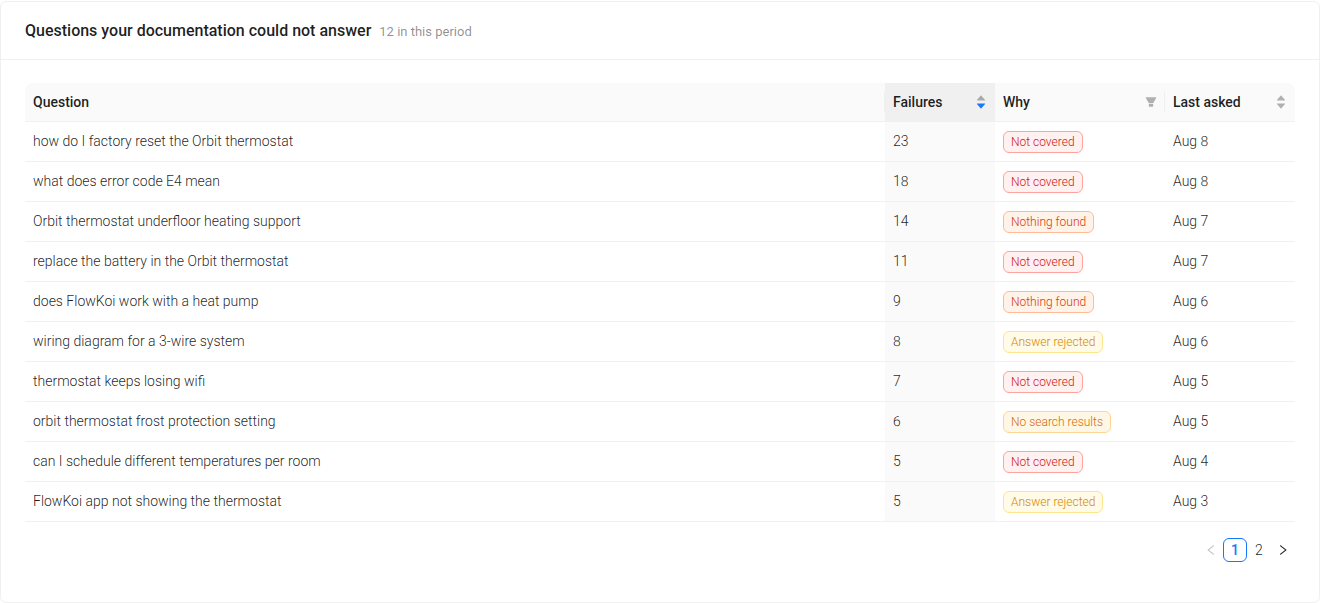
Content Gap Analysis for Documentation: Find What Your Docs Couldn't Answer
Your readers already told you what's missing. A practical guide to content gap analysis for documentation — how to find the questions your docs failed, why 'unanswered' is four different problems, and how to fix each one.

The Best Google Docs Alternative for Documentation Teams
Picture this: it's the 70s and 80s, and the world is just getting a taste of what typing on a computer could be like. No more typewriters, just basic text…

Develop a Comprehensive Documentation Plan: A Step-by-Step Guide
In the field of project management, effective communication and collaboration are important. Documentation stands at the core of these essentials, acting as…