Choosing the Right Open Source User Manual Creator
In a world that's rapidly evolving thanks to technology, user manuals take center stage as indispensable companions. These often-underestimated documents become our guiding lights, leading us through the intricacies of a vast array of products, from everyday household gadgets to cutting-edge software. Whether it's setting up your latest smartphone or mastering complex software, user manuals are the unsung heroes of our digital era.
But what separates an ordinary user manual from an extraordinary one? How can you ensure that your users not only grasp your product but also develop a genuine affection for it? That's where the art of manual creation enters the scene, and here's the exciting part – you don't need to empty your wallet to achieve it!
This article isn't just about information; it's a roadmap. A roadmap that will lead you to select the ideal open source user manual creator, one that aligns seamlessly with your unique needs and preferences. By the time you finish reading, you'll be fully equipped to embark on a mission to create user manuals that not only educate but also enrapture your audience.
What is Open Source Software?
Open Source Software, often referred to as OSS, is a fascinating realm in the world of computer software. It stands apart with its unique set of principles and licensing that offer a remarkable degree of freedom. Imagine a software world where the curtains are drawn back, and you can peek behind the scenes freely. That's the magic of open source software.
Here are some captivating aspects and principles that define this phenomenon:
Open Access: The cornerstone of open source software is its open and unrestricted source code. It's like having access to the magician's secrets. Anyone can delve into the code, tinker with it, and even make it better.
Licensing: Open source software isn't just a free-for-all. It comes with licenses that grant you the freedom to use, modify, and share it, but there are some rules to play by. It's a bit like a library card; you can borrow the book, but you can't keep it forever.
Community Collaboration: Picture a bustling marketplace where developers and enthusiasts gather to create and maintain these projects. It's a community effort, a bit like a potluck dinner where everyone brings their unique dish to the table.
Transparency: Ever wish you could see how your favorite movie was made? Open source projects often have their development process and decision-making out in the open. It's like watching a live performance – you see every move.
No Cost: The best part? Most open source software won't cost you a dime. It's like getting a gourmet meal for free – no strings attached.
Freedom to Modify: Imagine buying a car and being allowed to redesign it to suit your needs perfectly. That's the kind of freedom open source software offers. It's software that bends to your will.
Security and Reliability: Think of it as having a massive team of software inspectors. With so many eyes on the code, any bugs or security issues are quickly spotted and fixed. It's like having a guardian angel for your digital life.
Diverse Ecosystem: The open source world is like a vast garden with a variety of exotic plants. You have everything from operating systems that power your computer (like Linux) to web servers (hello, Apache) and even office tools (meet LibreOffice). It's a jungle out there, in the best possible way.
So, the next time you encounter open source software, remember, that it's not just code; it's a community, a philosophy, and a world of possibilities waiting to be explored.
Advantages of Open Source Solutions
Open source solutions stand as a compelling choice, captivating businesses, developers, and individuals alike with a treasure trove of benefits. Let's unravel these advantages:
Cost-Efficiency: Among the stars of open source's allure is its cost-effectiveness. Open source software is a gift, free to download, use, and share. It's like having a bottomless well of knowledge without the hefty library fees, a boon for startups and small businesses.
Customizability: Picture software as a block of clay, waiting for your artistic touch. Open source hands you the chisel and hammer, allowing you to sculpt it to fit your exact needs. It's like tailoring a suit but for your digital world.
Community Collaboration: Think of open source projects as bustling town squares where developers and enthusiasts from around the world gather to craft software wonders. This global symphony of minds results in swift progress, quick bug fixes, and ever-evolving features. It's like building a skyscraper with a horde of architects.
Transparency: Open source projects pull back the curtain and welcome everyone backstage. The code is open for scrutiny, ensuring there are no hidden traps or secret doors. This transparency is your digital security guard, instilling trust and peace of mind.
Interoperability: Open source software loves to play nice with others. It's like a universal translator for tech, effortlessly fitting into your existing toolkit.
No Vendor Lock-In: With open source, you're not tied to a single puppet master. No more strings attached. You can dance freely between different solutions, should the need arise.
Longevity: Open source projects have the lifespan of an immortal vampire (minus the fangs). They're not beholden to the fate of a single company. Even if one organization calls it quits, the community can keep the torch burning.
Innovation: Think of open source as a bustling bazaar of ideas. Developers from all walks of life collaborate, creating a melting pot of innovation. It's like a never-ending brainstorming session with the world's brightest minds.
Support and Documentation: While open source is free, it doesn't leave you in the dark. Many projects offer extensive guides and lively communities ready to assist. It's like having a whole team of mentors on speed dial.
Compliance and Licensing Flexibility: Open source licenses are a diverse bunch, like a buffet of legal options. You can pick the one that best suits your needs, especially crucial for businesses navigating complex legal waters.
Global Reach: Open source knows no borders. It's a global party where contributors and users span the planet. This multicultural mix results in software that's as adaptable as a chameleon in different markets.
So, whether you're a business seeking financial wisdom, a developer yearning for creative freedom, or an individual in search of dependable tools, open source beckons with its promise of affordability, adaptability, and an ever-evolving digital landscape.
Key Considerations in Choosing a User Manual Creator
When it comes to the art of crafting user manuals, choosing the right tool can be a game-changer. It's like selecting the perfect brush for a masterpiece – it affects the quality, efficiency, and overall effectiveness of your user documentation. To make a choice that's as sharp as a samurai sword, consider these key factors:
A. User-Friendliness
- Intuitive Interface: Seek a user manual creator with an interface that's as easy to navigate as a well-marked trail. It should be a breeze for authors with varying technical backgrounds to wield.
- Learning Curve: Gauge the learning curve required to master the tool. A shorter curve is like a shortcut through the forest, saving you time and resources during the manual creation journey.
B. Features and Functionality
- Document Editing Tools: Delve into the toolbox and examine the array of document editing tools. Ensure that the software offers the essentials, like text formatting, image embedding, and table creation.
- Template Library: Check if the creator offers a library of templates. Templates are like ready-made blueprints, simplifying the manual creation process and maintaining a consistent visual theme.
- Multimedia Support: Consider the tool's embrace of multimedia elements, from videos to interactive graphics and audio. This is a must if your manuals demand the magic of rich media content.
C. Compatibility and Integration
- Operating Systems: Confirm that the user manual creator plays nicely with your team's operating systems. It should harmonize with Windows, macOS, Linux, or even web-based platforms seamlessly.
- Export Formats: Examine the tool's export options. It should speak multiple languages, such as PDF, Word, and HTML, ensuring your manuals can roam freely on various distribution channels.
D. Community Support and Documentation
- User Community: Take a stroll through the bustling marketplace of the user community. A lively community can be your guiding star, offering support, wisdom, and help when the going gets tough.
- Official Documentation: Dive into the trove of official documentation provided by the tool's developers. Comprehensive documentation is like a treasure map, guiding you through uncharted waters and helping you unlock the full potential of the software.
Why Choose Sonat as Your Open Source User Manual Creator?
Sonat is not just another run-of-the-mill user manual creation tool; it represents a paradigm shift in the way we approach user documentation. Here's why you should seriously consider Sonat as your preferred open-source user manual creator:
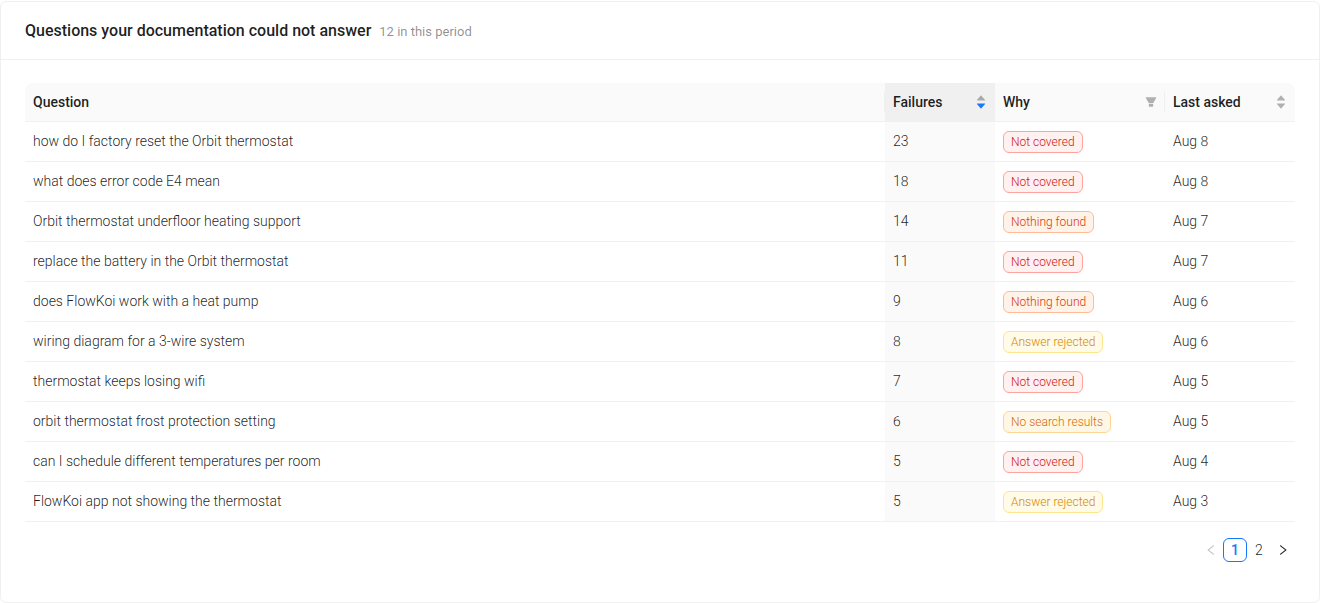
Easy Question Answering: Sonat's AI understands questions and finds answers in documents. Customers can use it to get answers without contacting support.
Auto-Translation: Sonat breaks down language barriers effortlessly by automatically translating your manuals into multiple languages. This feature allows you to connect with a global audience and expand your reach beyond geographical constraints.
Feedback Loop: Sonat understands the value of user feedback. It provides a platform for your users to share their insights and suggestions, creating a continuous feedback loop that drives improvements in your manuals. This invaluable input helps you refine your documentation and ensure it meets evolving user needs.
Custom Branding: Consistency in branding is vital for establishing a strong brand identity. Sonat empowers you to customize the appearance and style of your manuals, aligning them seamlessly with your unique brand identity.
SEO Metrics: Sonat enables you to optimize your manuals for search engines, ensuring they are easily discoverable by potential customers who are seeking answers to their questions.
Readability Guide: Complex jargon and convoluted sentences have no place in effective manuals. Sonat incorporates readability guides to ensure that your manuals are clear, concise, and user-friendly, making them a pleasure to read and comprehend.
Private Manuals: Some information is meant for select eyes only. Sonat allows you to create private manuals, accessible only to authorized personnel, ensuring the confidentiality of sensitive data.
Role Assignment: Take control of your manual creation process by assigning roles and permissions. Define who can edit, view, or manage your manuals, ensuring a structured and secure workflow.
Collaborative Tools: Collaboration is at the core of effective documentation. Sonat provides collaborative tools that allow team members to leave comments, receive notifications of changes, and oversee the manual creation process seamlessly.
Free Templates: Getting started with manual creation can be a daunting task. Sonat eases the process by offering a variety of free templates. These templates serve as a foundation, jumpstarting your manual creation journey and saving you valuable time and effort.
Sign up now and enjoy from a Forever Free Plan.