Creating User-Friendly Manuals: A Comprehensive Guide
Manuals are essential for every product or service that requires proper instruction for use. Whether a technical gadget, a household appliance, or a software application, a manual can help users get the most out of the product they've purchased.
However, not all manuals are created equal. While some are well-written, easy to understand, and a joy to use, others are confusing, difficult to follow, and frustrating to work with.
This comprehensive guide aims to help you for creating user-friendly manuals that meet the needs of your target audience. Whether you're writing a manual for a product you're developing or for a service you're offering, this guide will help you make a guide that is clear, concise, and easy to use.
Key elements of creating user-friendly manuals
The key elements of creating user-friendly manuals include:
Clarity and Conciseness
Manuals are an important tool for providing instructions and information to users. Whether it's a manual for a product, software, or service, the information must be presented in a clear and concise manner. Clarity and conciseness are two critical elements that can make the difference between a manual that's user-friendly and one that's confusing and difficult to understand.
The clarity in writing refers to the ease with which readers can understand the information being presented. When creating manuals, it's essential that the information is clear and straightforward, so users can quickly and easily understand how to use the product, software, or service.
To achieve clarity in your writing, consider the following tips:
- Write in simple language and avoid technical jargon.
- Use short sentences and paragraphs.
- Clearly state the steps and instructions in a logical order.
- Use headings, bullet points, and other formatting tools to make the information easy to scan and understand
- Eliminate any redundant or irrelevant information.
Well-Organized Structure
Creating user-friendly manuals requires more than just clear and concise language; it also requires a well-organized structure. A manual that's easy to navigate and understand is critical for ensuring that users can quickly find the information they need and effectively use the product, software, or service.
A well-organized structure provides numerous benefits for users of a manual, including easy navigation, improved understanding, and enhanced usability.
To create a well-organized structure in your manual, consider the following best practices:
- Use headings and subheadings to divide the information into manageable sections.
- Use a clear and logical order for the information, such as starting with an introduction and moving on to more complex information.
- Include a table of contents to help users quickly find the information they need
- Use bullet points and numbered lists to make the information easy to scan and understand
Visual Aids
A picture is worth a thousand words, and this holds true when it comes to creating user-friendly manuals. The use of visual aids such as images, charts, and diagrams can significantly enhance the user experience and make it easier for users to understand complex information.
To effectively incorporate visual aids into your manual, consider the following tips:
- Use high-quality images that are relevant to the information being presented.
- Use charts, diagrams, and other visual aids to clearly represent complex information.
- Limit visual aids to important information so as not to overwhelm the user.
- Ensure that visual aids are well-labeled and easy to understand
Providing Examples and Use Cases
Examples and use cases are powerful tools when it comes to creating user-friendly manuals. You can help users understand the information in your manual more easily and effectively by providing real-life scenarios and examples.
Examples and use cases offer several benefits for users of a manual, including:
- Improved understanding: Providing concrete examples and use cases can help users understand abstract concepts and ideas more easily.
- Enhanced engagement: Examples and use cases can also make a manual more engaging and appealing, helping to keep users interested and motivated.
- Increased recall: Using real-life examples can help users remember information more effectively, especially if they can relate to the sample provided.
To effectively incorporate examples and use cases into your manual, consider the following best practices:
- Use real-life examples and use cases to help illustrate concepts and ideas
- Ensure that examples are relevant and appropriate for your target audience
- Ensure that use cases are well-explained and easy to understand
Feedback
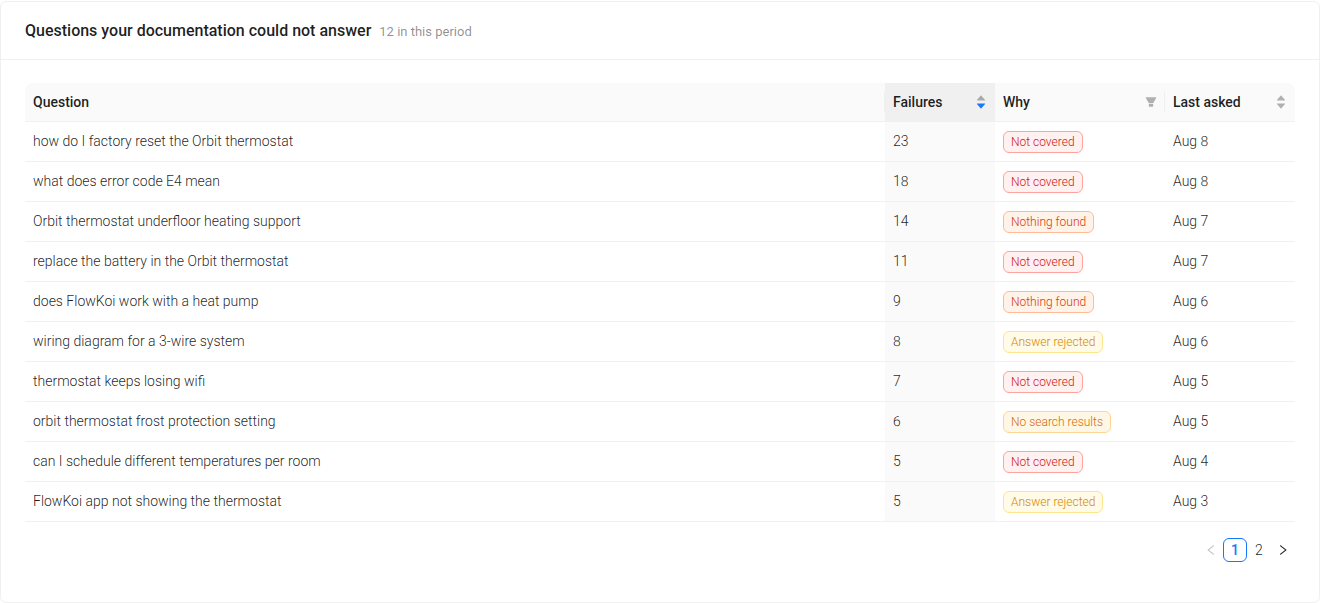
It's important to get feedback from users and improve the manual based on this feedback. This can help to ensure that the manual is user-friendly and meets the needs of its users. By gathering feedback, you can make improvements to the manual and ensure that it continues to meet users' needs over time.
To make the most of feedback and iteration, consider the following best practices:
- Encourage feedback from users throughout the manual creation process
- Regularly review feedback and incorporate suggestions where appropriate
- Continuously test and refine the manual to ensure it meets user needs and expectations
- Encourage users to provide ongoing feedback, even after the manual has been published
In addition to improving the manual based on feedback, it's also important to update it regularly. This can help ensure that it remains accurate and relevant and that users can access the most up-to-date information. By updating the manual regularly, you can help ensure that users can fully utilize the product and receive the best possible experience.
How to simplify the process of Creating User-Friendly Manuals
Sonat is a free online manual creator that has everything you need to create high-quality, user-friendly manuals. This tool is designed to boost the manual creation process and provide you with all the features you need to create engaging and effective manuals in no time.
With sonat, you can:
- Focus on clarity and conciseness
- Use a well-organized structure
- Incorporate visual aids
- Provide examples and use cases
- Incorporate feedback
- Update Your Manual Regularly and Easily
Sonat also includes a range of free manual templates, so you can create manuals customized to your specific needs and preferences.
Whether you're a professional manual writer or just starting out, sonat is the perfect tool for boosting the process of creating user-friendly manuals. Try it today and see the difference for yourself!