Enhance Your Business with ChatGPT Knowledge Base
Businesses are always trying to improve their operations, keep customers happy, and stay ahead of the competition. It's a tough game out there, but fear not! One mighty tool that can work wonders for achieving these goals is a comprehensive knowledge base.
So, what exactly is a knowledge base? Envision a place where we store and make all the information easily accessible to assist clients and staff. Companies can streamline assistance, enable clients to discover solutions, and enhance productivity with a knowledge base.
Now picture this: ChatGPT is a language genius created by the brilliant minds at OpenAI. It has made quite a name for itself with its mind-boggling ability to generate responses that sound just like humans.

Now ChatGPT can be the foundation of your very own intelligent knowledge base. It harnesses the power of deep learning to understand and respond to user queries in a natural, conversational way.
It's like having your guru of knowledge, always ready to provide accurate and relevant information. With ChatGPT as your knowledge base, your business can deliver mind-blowing customer experiences, level up your self-service support, and optimize your internal knowledge management processes.
Now, let's dig deeper into how you can implement and integrate ChatGPT into your business.
Implementing ChatGPT Knowledge Base in Your Business
A. Assessing Your Business Needs
Before implementing ChatGPT as a knowledge base in your business, it is crucial to assess your specific needs and objectives. This assessment will help you determine how ChatGPT can best serve your organization and deliver value. Consider the following steps when assessing your business needs:
Identify Pain Points: Begin by identifying the pain points or challenges your business currently faces. These could include high support ticket volumes, long response times, repetitive inquiries, or a lack of centralized knowledge management. Understanding your pain points will help you focus on the areas where ChatGPT can make the most significant impact.
Evaluate Customer Support Processes: Assess your current customer support processes to identify areas that can benefit from a knowledge base solution. Analyze the types of inquiries you receive, the volume of support requests, and the most common customer pain points. This evaluation will help you determine how ChatGPT can alleviate customer support challenges and improve overall satisfaction.
Consider Employee Knowledge Management: Evaluate how your organization currently manages internal knowledge and information. Assess the accessibility and organization of employee resources, training materials, and company policies. Determine if ChatGPT can serve as a centralized knowledge base to enhance employee productivity and ensure consistent information sharing.
Analyze Customer Feedback: Review customer feedback channels such as surveys, reviews, or customer support interactions. Look for recurring questions, concerns, or areas where customers express a need for improved support. Understanding customer feedback will enable you to tailor the ChatGPT knowledge base to address these specific pain points and deliver a better customer experience.
Budget and Resources: Consider your budget and available resources for implementing and maintaining the ChatGPT knowledge base. Assess the potential return on investment (ROI) and determine if the benefits of ChatGPT align with your budgetary constraints. This evaluation will help you make informed decisions regarding implementation options and resource allocation.
B. Choosing the Right ChatGPT Knowledge Base Implementation
When implementing a ChatGPT knowledge base in your business, selecting the right implementation is crucial to ensure its effectiveness and alignment with your specific needs. Consider the following factors to make an informed decision:
Available Platforms: Explore different platforms or services that offer ChatGPT-based knowledge base implementations. Research and compare their features, functionalities, and user reviews. Look for platforms that provide intuitive interfaces, robust search capabilities, and customization options to tailor the knowledge base to your business requirements.
Integration Capabilities: Assess the integration capabilities of each implementation option. Determine how easily it can be integrated with your existing systems, such as customer support software, CRM platforms, or chatbots. Seamless integration ensures a smooth flow of information and a cohesive user experience across different touchpoints.
Customizability: Evaluate the level of customizability offered by the implementation options. Consider whether you can customize the knowledge base's appearance, organization, and content structure to align with your brand and specific industry requirements. A customizable knowledge base allows you to tailor the user experience and optimize it for your unique business needs.
Scalability and Performance: Consider the scalability and performance of the ChatGPT knowledge base implementation. Assess its ability to handle increasing volumes of data and user interactions without compromising response times or system stability. Scalability is crucial to accommodate business growth and changing demands.
Support and Updates: Evaluate the level of support and regular updates provided by the implementation provider. Ensure they offer timely technical support, documentation, and resources to assist with any implementation challenges or questions. Regular updates indicate that the implementation is actively maintained, ensuring access to new features, bug fixes, and security enhancements.
User Feedback and Reputation: Research user feedback and reviews for each implementation option. Look for testimonials or case studies from businesses similar to yours to gain insights into their experiences and the overall reputation of the implementation provider. This information can help you assess the reliability and suitability of each option.
C. User Training and Adoption
To ensure a successful implementation of the ChatGPT knowledge base in your business, user training and adoption are crucial. Proper training and fostering adoption among users will maximize the benefits and usability of the knowledge base. Consider the following steps:
Training Materials: Develop comprehensive training materials that guide how to effectively use the ChatGPT knowledge base. Make guides, videos, or interactive modules to teach users how to use the knowledge base effectively.
User Workshops and Sessions: Hold workshops to teach employees, support agents, and content creators about the ChatGPT knowledge base. You can conduct these sessions in person or remotely, depending on your business requirements. Show how to find information, understand answers, and use knowledge to improve customer support or access internal resources.
Role-Specific Training: Tailor training sessions to the specific roles and responsibilities of different user groups. Support agents require training to utilize the knowledge base for customer inquiries. Content creators, on the other hand, need guidance in creating and managing effective knowledge base articles. Provide role-specific training materials and hands-on exercises to address their unique needs.
Highlighting Benefits and Use Cases: Clearly, communicate the benefits and value of the ChatGPT knowledge base to users. Highlight how it improves customer support, reduces response times, and empowers self-service. Share success stories and use cases that demonstrate the positive impact the knowledge base has had on other teams or departments within the organization. This will encourage user adoption and create enthusiasm around the implementation.
Collaboration and Knowledge Sharing: Encourage collaboration and knowledge sharing among users. Create a community for users to share their experiences, tips, and insights on using ChatGPT knowledge base effectively. Collaboration can lead to discovering new uses, enhancing processes, and developing improved methods that benefit all.
Ongoing Evaluation and Feedback Loop: Continuously evaluate the user experience and gather feedback on the ChatGPT knowledge base. Regularly assess user satisfaction, usability, and the effectiveness of the knowledge base in meeting their needs. To improve future updates or training materials, listen to user feedback and suggestions. Additionally, make the knowledge base easier to use and address user concerns.
Overcoming Challenges and Pitfalls
A. Dealing with Misinterpretations and Errors
While the ChatGPT knowledge base offers numerous benefits, it is essential to be aware of potential challenges related to misinterpretations and errors that may arise. Here are some strategies to address and mitigate these challenges:
Understand the Limitations: Recognize that ChatGPT, like any language model, has limitations and may occasionally generate inaccurate or misleading responses. Be aware of potential biases or gaps in its knowledge. Communicate these limitations to users and set appropriate expectations regarding the knowledge base's capabilities.
Regularly Monitor and Review Responses: Implement a system to monitor and review ChatGPT's responses on an ongoing basis. Set up mechanisms for users to provide feedback on inaccurate or unhelpful answers. Regularly analyze this feedback and make necessary adjustments to improve the accuracy and quality of responses over time.
Implement User Feedback Loops: Encourage users to report misinterpretations or errors they encounter while interacting with the knowledge base. Establish a feedback loop that allows users to provide comments or suggestions for improvement. Actively engage with user feedback, address their concerns, and use their input to refine the knowledge base and minimize future errors.
Human Review and Intervention: Consider incorporating a human review process to validate and correct responses generated by ChatGPT. Utilize subject matter experts or support agents who can review and verify the accuracy of answers before they are presented to users. This human intervention can help catch any misinterpretations or errors and provide a higher level of quality assurance.
Fine-tuning and Customization: Explore the option of fine-tuning ChatGPT on specific domains or use cases relevant to your business. By providing domain-specific training data, you can improve the model's understanding and accuracy in those particular areas. Fine-tuning can help mitigate misinterpretations and errors by tailoring ChatGPT's knowledge base to your specific needs.
Transparent Communication: Foster transparent communication with users about the nature of the ChatGPT knowledge base and its limitations. Communicate that it is an AI-powered system and that errors or misinterpretations may occur. Provide alternative support channels or escalation paths for cases where users encounter complex or sensitive issues that require human assistance.
Continuous Improvement: Embrace a mindset of continuous improvement to address misinterpretations and errors. Regularly analyze and learn from past issues, seeking opportunities to enhance the training data, optimize search algorithms, or refine the knowledge base structure. By actively iterating and improving the system, you can gradually minimize the occurrence of misinterpretations and errors.
B. Handling Sensitive or Confidential Information
When implementing the ChatGPT knowledge base, it is crucial to address the handling of sensitive or confidential information. Protecting the privacy and security of sensitive data is paramount. Here are some strategies to handle sensitive or confidential information effectively:
Data Classification and Segmentation: Identify and classify sensitive or confidential information within your organization. This could include personally identifiable information (PII), financial data, proprietary knowledge, or trade secrets. Segment and separate this data from the information that will be included in the ChatGPT knowledge base. Implement strict access controls and permissions to ensure that only authorized personnel can access and manage sensitive data.
Anonymization and Masking: If it is necessary to include certain types of data in the ChatGPT knowledge base, employ anonymization techniques to remove personally identifiable details. Implement data masking to replace sensitive information with fictional or masked values, ensuring that the knowledge base does not expose confidential details while still providing relevant information to users.
Consent and User Privacy: Clearly communicate to users how their data will be used within the ChatGPT knowledge base. Obtain explicit consent from users before collecting or storing any personal information. Implement robust privacy policies and ensure compliance with applicable data protection regulations, such as the General Data Protection Regulation (GDPR) or California Consumer Privacy Act (CCPA).
Secure Storage and Encryption: Safeguard sensitive or confidential data by storing it in secure environments. Utilize encryption techniques to protect data at rest and in transit. Employ industry-standard security practices and regularly assess the security measures in place to mitigate the risk of data breaches or unauthorized access to sensitive information.
Limited Access and Role-Based Permissions: Limit access to the ChatGPT knowledge base and its underlying infrastructure to authorized personnel only. Implement role-based permissions, granting access rights based on job responsibilities and the need-to-know principle. Regularly review and update access controls to ensure that only authorized individuals have access to sensitive data.
Regular Auditing and Monitoring: Conduct regular audits and monitoring of the ChatGPT knowledge base system to detect any unauthorized access attempts or unusual activities. Implement security information and event management (SIEM) tools to track and analyze system logs for potential security incidents. Promptly investigate and address any identified security issues or vulnerabilities.
Compliance with Regulations: Ensure that the ChatGPT knowledge base implementation adheres to relevant data protection and privacy regulations. Stay updated on legal requirements, such as GDPR, CCPA, or industry-specific regulations, and ensure that your implementation complies with these standards. Seek legal counsel or consult with privacy professionals to ensure adherence to applicable regulations.
C. Addressing Ethical and Bias Concerns
When implementing the ChatGPT knowledge base, it is important to address ethical considerations and potential biases that may arise. Here are some strategies to address these concerns effectively:
Understand and Mitigate Biases: Recognize that AI models like ChatGPT can inadvertently reflect biases present in the data they were trained on. Take proactive measures to identify and mitigate biases by carefully curating training data and utilizing diverse sources. Regularly monitor and evaluate the knowledge base for potential biases, especially those related to sensitive topics or underrepresented groups, and make necessary corrections or updates.
Transparent Documentation: Provide clear and transparent documentation that outlines the limitations and potential biases of the ChatGPT knowledge base. Communicate openly with users about the potential for biased responses and the steps taken to address and minimize biases. Transparent communication fosters trust and helps users understand the technology's strengths and limitations.
Ongoing Evaluation and Improvement: Continuously evaluate the ChatGPT knowledge base for biases and make iterative improvements based on user feedback and performance assessments. Regularly review and update the training data, incorporating more diverse perspectives and addressing any identified biases. Establish a process for ongoing monitoring and improvement to ensure the knowledge base remains fair and unbiased.
User Feedback and Input: Encourage users to provide feedback on potential biases they encounter while interacting with the knowledge base. Actively seek input from diverse user groups to understand their perspectives and identify any unintended biases. Engage in dialogue with users to address concerns and improve the system's fairness and inclusivity.
Ethical Guidelines and Governance: Establish clear ethical guidelines and governance policies for the ChatGPT knowledge base. Ensure that the development, deployment, and use of the knowledge base align with ethical principles, fairness, and inclusivity. Regularly assess compliance with these guidelines and involve relevant stakeholders, such as ethicists or diversity experts, in the decision-making process.
External Auditing and Evaluation: Consider engaging external experts or auditors to conduct independent evaluations of the ChatGPT knowledge base. External audits can provide an unbiased assessment of the system's fairness and identify any potential biases that may have been missed internally. Incorporate their recommendations to improve the knowledge base's ethical standards.
Diversity and Inclusion in Training Data: Prioritize diversity and inclusion when selecting and curating training data for the ChatGPT knowledge base. Include a wide range of perspectives, voices, and experiences to ensure that the system does not perpetuate or amplify existing biases. Actively seek out and include underrepresented groups to promote fairness and inclusivity in the knowledge base's responses.
D. Mitigating Language and Cultural Barriers
When implementing the ChatGPT knowledge base, it is important to address language and cultural barriers to ensure effective communication and understanding for users from diverse linguistic and cultural backgrounds. Consider the following strategies to mitigate these challenges:
Multilingual Support: Evaluate the need for multilingual support based on your user base. If your target audience includes individuals who speak different languages, consider providing language-specific versions of the ChatGPT knowledge base. This ensures that users can access information in their preferred language, improving their understanding and engagement.
Translation and Localization: If offering multilingual support, ensure accurate translation and localization of the knowledge base content. Work with professional translators or language experts to translate the content into the desired languages while considering cultural nuances and idiomatic expressions. Localization ensures that the information is culturally relevant and easily understood by users in different regions.
Language Simplification: Simplify complex language and jargon within the knowledge base to improve comprehension for users who may have limited proficiency in the language or are unfamiliar with specialized terminology. Use clear and concise language that is accessible to a wide range of users. Avoid using slang, technical jargon, or colloquialisms that may be difficult for non-native speakers to understand.
Clear and Concise Communication: Emphasize clarity and simplicity in the responses generated by ChatGPT. Ensure that the knowledge base provides concise and easy-to-understand answers, avoiding overly complex or verbose language. Use plain language and straightforward explanations to facilitate comprehension across language and cultural barriers.
Cultural Sensitivity: Take cultural sensitivity into account when developing the ChatGPT knowledge base. Be aware of cultural norms, values, and customs that may influence user expectations and understanding. Avoid assumptions or stereotypes that may inadvertently arise in responses. Incorporate diverse cultural perspectives to ensure inclusivity and respect for all users.
User Feedback and Iterative Improvement: Encourage users to provide feedback on language or cultural barriers they encounter while using the ChatGPT knowledge base. Actively seek input from users who may represent different linguistic or cultural backgrounds. Leverage this feedback to iteratively improve the knowledge base, address language-specific challenges, and enhance cross-cultural understanding.
User Assistance and Clarification: Provide additional assistance options to users who face language or cultural barriers. Offer features such as translation tools, language selection, or clarification prompts to help users overcome language-related challenges. Incorporate user-friendly features, such as tooltips or glossaries, to clarify unfamiliar terms or concepts.
Smart Q&A Management
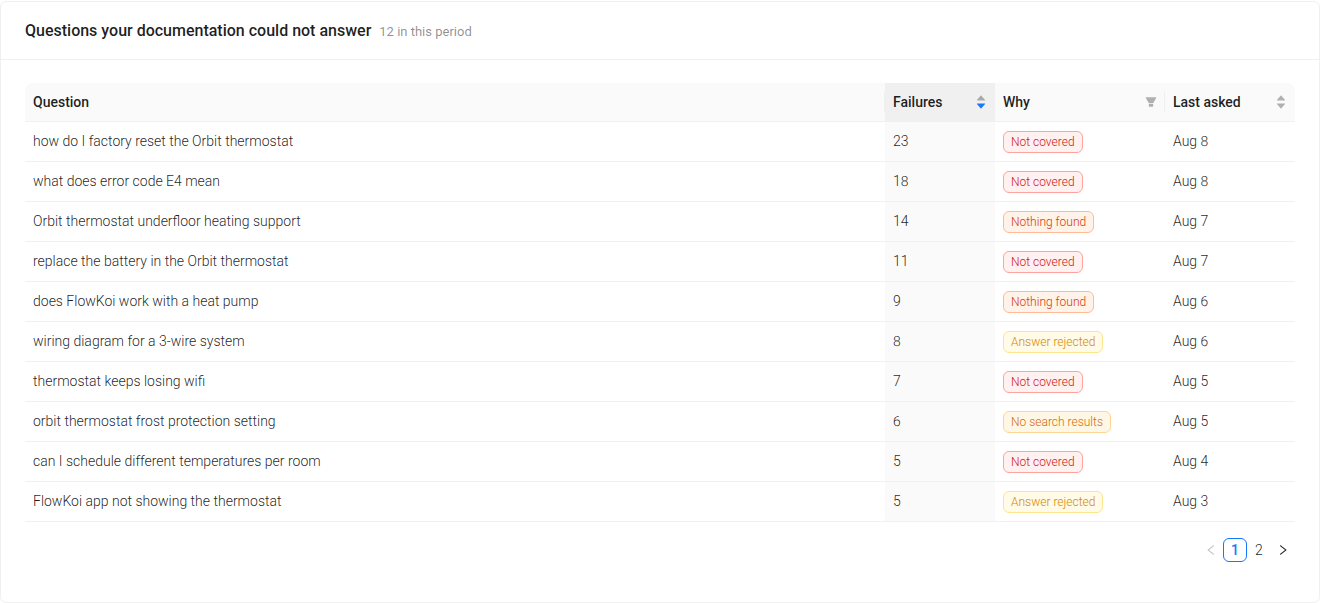
With Sonat's intelligent Q&A management, you'll have a brilliant assistant by your side. Powered by ChatGPT capabilities, Sonat effortlessly analyzes customer queries and provides precise answers in seconds. It's as if you have a mind-reader working alongside you, effectively saving time for both customers and support agents while swiftly resolving any issues that arise.
By leveraging Sonat's intelligent Q&A management, your business gains a competitive edge. Customers will appreciate the swift and accurate support they receive, leading to increased satisfaction and loyalty. Your support agents will save time on repetitive queries, so they can give more personalized and valuable help to customers.