Localizing an online manual for different languages
Localizing an online manual refers to adapting the content of an online user guide or manual to make it more relevant and user-friendly for a specific language and cultural context. This involves translating the content into the target language and adapting the content to reflect local customs, norms, and expectations.

Localizing an online manual can be a complex process, as it requires considering the nuances of the target language and culture. It is essential to work with native speakers of the target language and experts in the local culture to ensure that the content is accurately and appropriately translated and adapted.
Localizing an online manual allows companies to make their products and services more accessible and appealing to users in different regions and language markets. This can increase customer satisfaction and loyalty and expand the company's reach and impact globally.
Best practices
Localizing an online manual for different languages and regions is crucial to ensure that the manual is accessible and understandable to users worldwide. Here are some tips for localizing an online manual:
- Use a professional translation service: It's important to ensure that the manual is accurately translated and that the meaning of the content is preserved. A professional translation service will also be able to handle issues such as cultural differences and idioms that may not translate directly from one language to another.
- Review the translated content: After the manual has been translated, it's essential to review the translated content to ensure that it is accurate and reads smoothly in the target language. This can be done by a professional proofreader or by native speakers of the target language.
- Consider cultural differences: When localizing the manual, it's important to consider cultural differences and make sure that the content is appropriate and sensitive to the customs and traditions of the target region. This may involve modifying the content to avoid cultural misunderstandings or using more good examples or illustrations.
Adapt the layout and design: In some cases, you may need to adapt the layout and design of the manual to make it more suitable for the target region. This may involve adjusting the font size or style, modifying the structure to accommodate longer or shorter text in different languages, or using images and graphics that are more relevant to the target region.
- Test the localized manual: Before publishing the manual, test it to ensure that it works correctly and is easy for users in the target region. This may involve testing the manual on different devices and browsers to ensure that it is compatible with a wide range of technologies.
- Use the correct language and dialect: It's essential to use the correct terminology for the target region to ensure that the manual is understandable and appropriate for users in that region. This may involve using different languages for different regions or dialects within the same language.
- Translate all manual elements: When localizing the manual, be sure to translate all aspects of the manual, including the text, images, and interactive features. This will ensure that the full manual is accessible and understandable to users in the target region.
- Consider using machine translation: In some cases, you may want to use machine translation to translate the manual. While machine translation is not as accurate as professional translation, it can be a quick and cost-effective way to translate large amounts of text. Just review the machine-translated content carefully to ensure that it is accurate and reads smoothly.
- Use language-specific formatting: When localizing the manual, use language-specific formatting to ensure that the layout and design of the manual are appropriate for the target language. This may involve adjusting the font size or style, modifying the form to accommodate longer or shorter text in different languages, or using images and graphics that are more relevant to the target region.
- Provide support in the target language: If you plan to support users in the target region, provide support in the target language to ensure that users can get help if they have questions or run into problems while using the manual.
By following these tips, you can effectively localize an online manual for different languages and regions, ensuring that it is accessible and understandable to users worldwide.
Overall, localizing an online manual requires careful planning and attention to detail to ensure that the manual is accurate, appropriate, and easy for users in different languages and regions.
Challenges to consider when localizing online manuals
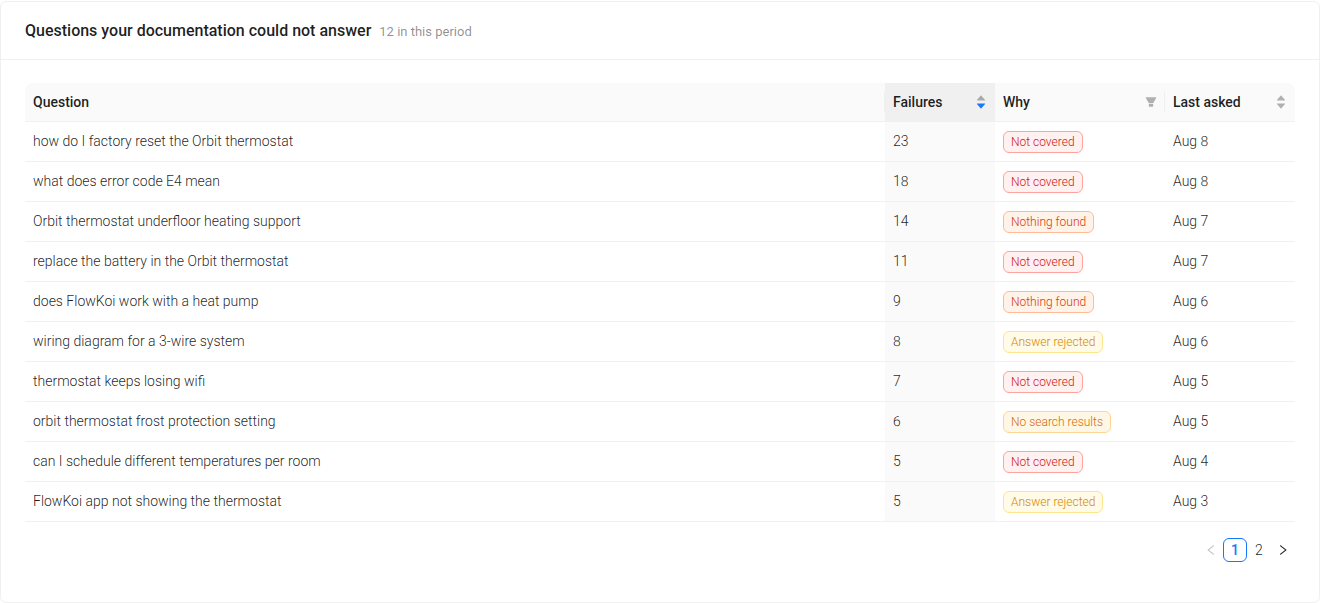
There are several challenges when localizing online manuals for different languages and regions. One of the main challenges is maintaining the formatting and layout of the manual in other languages. Different languages can affect the text length and structure, which can cause issues with the design of the manual. For example, a manual translated from English to German may require more space due to the longer words and sentences in German, which could disrupt the layout of the original manual.
Another challenge is handling updates and changes to the original manual. Localized versions of the manual should be updated whenever changes are made to the original, but this can be time-consuming. In making this process more efficient, it is helpful to have a system tracking updates and changes to the original manual.
Ensuring that the localized manual is SEO-friendly is also essential. This means ensuring that the manual is easily discoverable by search engines in the target language and region.
One additional challenge to consider is the cost and resources required for the localization process. Localizing an online manual can be a complex and time-consuming process, and it can require a significant investment of resources, including money, time, and personnel. It is essential to carefully assess the resources available and determine whether the cost and effort of localization are justified based on the expected return on investment.
Finally, it is important to keep the consistency of the localized manual. It is crucial to ensure that the manual's tone, style, and branding are consistent across all languages and regions. This can be difficult to achieve, mainly if multiple translators are translating the manual or if it is being updated over time. It is helpful to use translation memory tools and style guides to ensure that the localized manual is consistent and accurately reflects the brand.
How to overcome these challenges
sonat is here to help you overcome these challenges! As an online manual creator with a smart translation machine, sonat simplifies the localization process and enables you to maintain the formatting and layout of your manual in other languages. With sonat, you can easily track updates and changes to your original manual, ensuring that your localized versions are always up to date.
sonat's smart translation machine also helps you create SEO-friendly manuals in different languages and regions, making it easier for search engines to discover your manual. With sonat, you can confidently and efficiently localize your online manual, reaching a wider audience and growing your business.
Conclusion
In conclusion, using multimedia elements and localizing an online manual are both important considerations when creating a manual that is accessible and easy to use for a global audience. Following the tips outlined above, you can effectively use multimedia elements to enhance the user experience and make the manual more engaging and interactive. You can effectively localize the manual to ensure that it is accurate, appropriate, and easy for users in different languages and regions. Overall, by paying attention to these details, you can create an online manual that is effective and enjoyable for users around the world.