Maximize Product Efficiency with an Online Manual
In today's fast-paced business world, maximizing product efficiency is crucial for staying competitive and driving profits. One effective way to do this is by utilizing an online manual. An online manual allows for easy access and updates, making it a cost-effective and convenient solution for both the company and the customer.
This post will explore the benefits of an online manual and how it can improve product efficiency. From simplifying customer service to reducing training costs, an online manual can help take your business to the next level. So, whether you're a small startup or a large corporation, read on to learn how an online manual can help you maximize product efficiency.
Importance of creating manuals for businesses
Creating manuals for your business can be a valuable tool for many reasons. First and foremost, it helps to improve product efficiency by providing customers with clear and concise instructions on how to use your product or service. This can help to reduce the number of customer service calls and inquiries, ultimately saving your business time and money.
An online manual also allows for easy updates and revisions, ensuring the information is always accurate and up-to-date. This is particularly important for businesses with constantly evolving and changing products or services. An online manual lets you quickly and easily update the information to reflect changes or new features.
Additionally, an online manual can be used as a training tool for new employees. It provides a clear and consistent way to train employees on properly using your product or service, which can reduce training costs and improve overall efficiency.
Furthermore, having a well-designed and easy-to-use online manual can also help to improve customer satisfaction. Customers appreciate having access to clear instructions and information, and an online manual can help to provide that. A well-designed manual reflects a company's commitment to quality and customer service.
Another key benefit of an online manual is its accessibility. An online manual allows customers to access the information they need anytime, anywhere. This is particularly useful for businesses that have customers in different time zones or that operate on a 24/7 schedule. An online manual allows customers to access the necessary information, even outside business hours.
In addition to being convenient for customers, an online manual can also benefit businesses with multiple locations. With an online manual, all areas can access the same information and ensure consistency in how products or services are used and maintained.
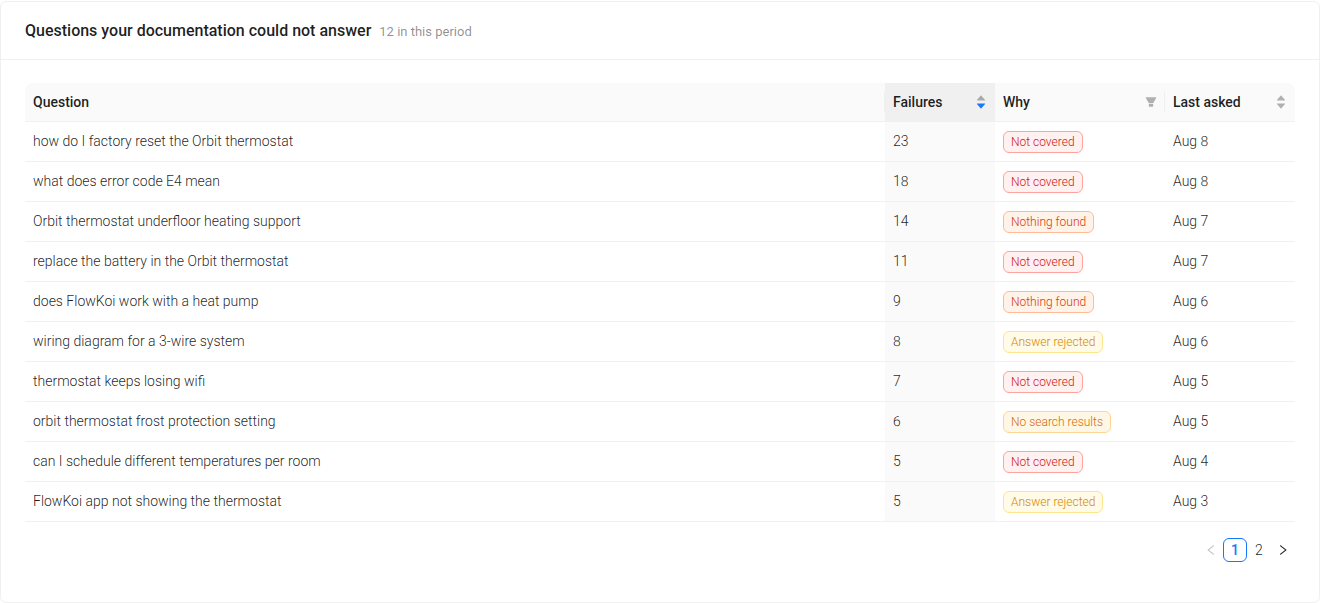
Lastly, an online manual can also be a great way to provide additional value to your customers. By including troubleshooting tips, FAQs, and other helpful information, an online manual can help customers to get the most out of your product or service. This not only helps to improve customer satisfaction but also encourages repeat business.
Best practices for designing an online manual
When creating an online manual for your business, the design and organization of the manual are just as important as the information it contains. A well-designed and organized manual can make it easy for customers to find the information they need, while a poorly designed manual can be confusing and frustrating. Here are some best practices for design and organization that can help to ensure that your online manual is user-friendly and effective.
First and foremost, it's essential to keep the design simple and clean. Avoid using too many colors or fonts, as this can make the manual challenging to read. Instead, opt for a minimalistic design with a clear and easy-to-read font. Additionally, make sure to use headings and subheadings to break up the text and make it easy to scan.
Another critical aspect of design and organization is ensuring the manual is easy to navigate. This can be achieved by creating a clear structure and table of contents at the beginning of the manual. Additionally, including search functionality and a clear information hierarchy can help customers find the information they need quickly and easily.
Another best practice when designing and organizing the manual is to make it device-responsive. This means that the manual should be able to adjust its layout and design based on the device it is being viewed on. This way, the manual will be easily read and navigated, whether viewed on a computer, tablet, or mobile device.
When it comes to the organization of the manual, it's important to include clear instructions and explanations, with simple language and step-by-step instructions. Additionally, it's essential to have images and videos to help customers visualize the instructions and make it easy for them to follow.
Another tip is updating the manual and ensuring it includes the latest features, instructions, and troubleshooting tips. This will help keep the manual up-to-date and relevant, making it easier for customers to find the necessary information.
Optimizing Online Manuals for Search Engines
Optimizing online manuals to make them more discoverable by users searching for relevant information is really important. You want your manual to stand out and be easily found, right? Well, let's talk about some effective strategies and best practices that can help you boost the visibility and reach of your online manual.
One of the first things you should do is conduct thorough keyword research. This means finding the right words and phrases that are relevant to your product and its features. Tools like Google Keyword Planner or SEMrush can give you valuable insights into how often people search for those keywords and how much competition you're up against. Once you have those keywords, make sure to naturally incorporate them into your headings, subheadings, and content. This way, search engines will understand that your manual is a perfect match for specific queries.
Apart from using keywords, optimizing meta tags and descriptions is also crucial for improving your online manual's performance in search engines. You need to write compelling meta titles and descriptions that accurately represent your content. This will make users more likely to click on your manual when they see it in search results. Don't forget to include relevant keywords in these meta tags to signal the topic and increase your chances of ranking higher.
Now, let's talk about URLs. It's important to create SEO-friendly URLs for your online manual. What does that mean? Well, it means using descriptive and keyword-rich URLs that clearly tell search engines what your manual is all about. Shorter and simpler URLs are preferred because they are easier to read and share. And remember, having a proper URL structure with logical hierarchies will make it easier for both users and search engine crawlers to navigate through your manual.
Oh, we can't forget about images! Optimizing the images in your online manual is another important aspect of search engine optimization. You should add descriptive alt tags to your images so that search engines can understand what they are all about. This also improves accessibility for visually impaired users. Additionally, optimizing the file sizes of your images is crucial for faster loading times, which is important for both search engine rankings and user experience.
Also, It's a good idea to include internal links within your online manual. This helps search engines discover and index all the relevant pages within your manual, which improves overall visibility. You should also consider external linking to credible and authoritative sources. By doing this, you add credibility to your content and provide users with additional resources. Make sure to use descriptive anchor text that includes relevant keywords. This helps search engines understand the context of the linked pages.
In today's mobile-driven world, it's vital to ensure that your online manual is mobile-responsive and compatible with different devices. Search engines pay close attention to mobile-friendliness, so having a responsive design that adapts to different screen sizes is a must. It's also important to optimize loading speed for mobile devices to enhance the user experience and improve search engine rankings.
Have you ever heard of schema markup? It's a fancy term, but it can really boost the visibility of your online manual in search results. Schema markup provides extra structured data to search engines, helping them understand the content and context of your manual. By implementing schema markup, you can improve search engine visibility and even get those fancy rich snippets that catch people's attention and lead to higher click-through rates.
Monitoring and analyzing the performance of your online manual is crucial for ongoing optimization. You can use analytics tools to keep track of important metrics like keyword rankings, organic traffic, and user engagement. This data will help you identify areas for improvement and make informed decisions to optimize your manual further.
Lastly, staying up-to-date with SEO trends is really important. Search engine algorithms are always changing, so it's crucial to stay informed about the latest best practices. You can follow industry blogs, forums, and reputable sources to stay updated on the latest SEO techniques. Applying these techniques to your manual will help maintain its visibility and competitiveness.
Oh, and don't forget to promote social sharing and build backlinks to your online manual. Adding social sharing buttons encourages users to share your manual on social media platforms, which increases its reach and potential traffic. And if you actively seek backlinks through guest posting, outreach strategies, and collaborations with relevant websites, you can improve your manual's authority and visibility in search results.
The best tool for creating online manuals
sonat as an online manual creator with different features that can help Maximizing Product Efficiency.
- Easy access to information: Sonat's platform allows customers to access the manual from anywhere and at any time, improving product efficiency by reducing the need for customer service calls and inquiries.
- Quick updates and revisions: Sonat allows for easy updates and revisions to the manual, ensuring that the information provided is always accurate and up-to-date.
- Training tool for employees: Sonat can be used as a training tool for new employees, improving product efficiency by ensuring that everyone is properly trained on the product or service.
- Improved customer satisfaction: With accurate and up-to-date information, customers are more likely to be satisfied with the product or service, resulting in enhanced product efficiency.
- Multi-user access: allows multiple users to access and edit the manual simultaneously, streamlining the manual creation and editing process and improving product efficiency.
- Templates and themes: Sonat offers a variety of templates and themes to choose from, which can help to make the manual look professional and polished, ultimately improving product efficiency.
- Cost-effective solution: Sonat is an efficient and cost-effective solution for businesses looking to maximize product efficiency.
- Accessibility: The online manual can be accessed by customers on multiple devices, increasing the chances of customers using the product correctly and efficiently.