The Ultimate Guide to Instruction Manual Makers
In today's tech-driven world, helping users navigate complex stuff is a big deal, and that's where instruction manual makers step in. They're like smart tools, making it a breeze to create user-friendly manuals. Let's dig into what these tools are all about, starting with their definition.

Instruction manual makers break down complex product details into guides that everyone can understand. They're not just software; they're like magic wands turning complicated things into simple ones. We'll explore how they work and why they're vital in creating manuals that users can actually get.
Good manuals go beyond just telling you what to do; they shape how you experience and understand a product.
Let's take a trip through time, checking out how making manuals has changed. From basic beginnings to today's cool tech, manual making has undergone some serious transformations.
Understanding User Needs
A. Being User-Friendly in Manual-Making
When it comes to making user-friendly instruction manuals, the key is to put the users first. A user-friendly manual considers what users need, like, and understand. This turns the manual from just a bunch of instructions into a guide that not only teaches well but also makes the whole user experience better.
Being user-friendly means really thinking about how users deal with information. This includes knowing if they get tech talk, understanding how they like to learn, and being aware of any problems they might run into. By matching the manual's structure and content with these user-friendly ideas, creators make sure the manual becomes a useful tool that helps users get the most out of the product.
B. Finding Your Crowd
Making a great instruction manual relies on knowing who you're talking to. Figuring out your audience means digging into details like age, skills, and how much users know about the product or similar stuff. This info guides important choices about how to write, what pictures to use, and how much detail to include.
Customizing the manual to fit the audience makes it easier to understand and more relevant. Words should click with users, pictures should help them get it, and the details should match what users already know. This careful customization ensures the manual not only shares info but does it in a way that works best for the users, making it more understandable and useful.
C. Solving Common User Problems
Getting ahead of common user problems is a smart move to make a top-notch instruction manual. Doing thorough research, like surveys and testing, helps find out where users often get stuck, confused, or mess up. This info gives valuable hints to improve the manual, turning it into a guide that not only tells users what to do but also helps them avoid and fix problems.
By fixing common issues, the manual becomes a handy resource that guides users through the usual stuff and helps them tackle problems. This kind of user support creates a positive experience, maybe even boosting how much users like the product and stick with the brand. Ultimately, a manual that goes beyond basics and tackles user problems shows a dedication to user success, making the product even more valuable.
Types of Instruction Manual Makers
A. Software-Based Solutions
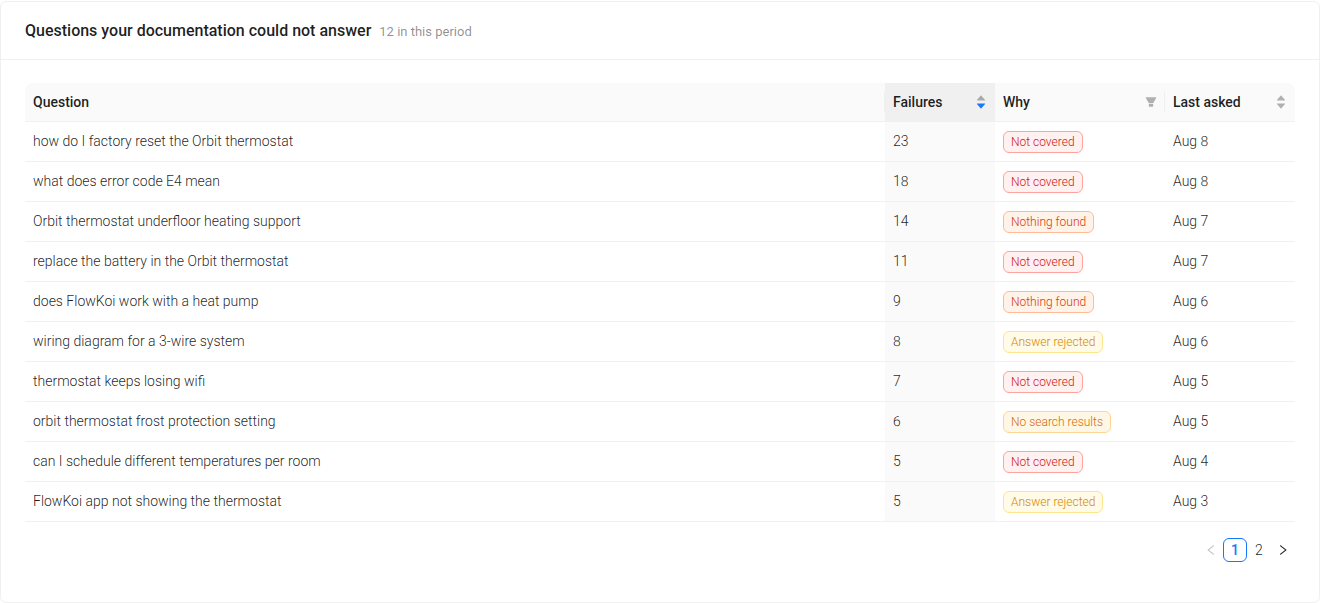
In the modern world, making instruction manuals is all about using fancy software. These computer programs have cool features to make manual-making easy. They give creators user-friendly screens and templates to keep manuals looking professional. Adding pictures and videos makes the manuals more interesting, and tools for working together mean teams can collaborate from anywhere. There are options to control versions and different ways to share manuals, like PDFs and online docs. But the real star is the interactive stuff, like links and menus, making manuals fun for users.
Good Things:
Fast: Software tools speed up making manuals, so they get done on time.
Same Look: Templates and rules make all manuals look the same and professional.
Interactivity: Adding pictures and clickable things makes users like manuals more.
Teamwork: These tools help teams work together, no matter where they are.
Version Check: Keeping track of changes is easier with software tools.
Not-So-Good Things:
Hard Start: Users might find it tricky at first to use the software.
Money Matters: Some fancy software might need money to use.
Tech Hiccups: Sometimes tech problems or updates can mess with making manuals.
B. Old-School Manual Making
Back in the day, making manuals meant getting hands-on with handbooks and paper. Physical manuals, like books or guides, are something you can touch and hold. They have words, pictures, and steps to follow, going back to the old ways of sharing info.
Good Things:
Touchable: Physical manuals are real things users can touch, which feels nice.
No-Tech: Good for people who don't like tech or want non-digital stuff.
Not-So-Good Things:
Not Fancy: Physical manuals can't do cool things like digital ones.
Updates Trouble: Making changes and giving out new manuals takes time and money.
Nature Impact: Making paper manuals can be bad for the environment with all the waste.
Trends in Instruction Manual Making
A. Smart Answers with AI
In the speedy world of making instruction manuals, using Artificial Intelligence (AI) to generate answers is a cool new thing. This clever approach uses super-smart computer algorithms to understand what users are asking and spit out exact and context-aware responses. Adding AI to manual making helps content creators give users quick and right answers, making troubleshooting a breeze. It keeps manuals up-to-date, tackling users' changing needs like a pro.
AI answer generators understand how tricky user questions can be. They don't just give set answers; they dish out info that fits the situation. The result is a manual that's smart and interactive, not just a book of facts. It talks with users, guessing what they need and answering right away. This move to AI-powered solutions shows everyone's catching on to putting users first and using AI to make instruction content better.
B. Manuals That Like Mobiles
With everyone glued to smartphones and tablets, making instruction manuals that work on these gadgets is a big deal. Knowing users love their mobiles, manual makers are creating manuals that fit right in. These manuals have designs that look good on small screens, easy-to-use menus, and info that fits well. Making manuals mobile-friendly is all about making sure users can get the important stuff anytime, anywhere, on the devices they like.
The mobile-friendly trend isn't just about fitting on screens. It's about adding fun stuff, like clickable things and videos, to make using manuals on mobiles even better. From easy taps to cool videos, this trend shows manual makers are keeping up with how people use their mobiles in today's world.
Key Features to Look for in an Instruction Manual Maker
A. Easy-to-Use Interface
When picking a tool to make instruction manuals, having an easy-to-use interface is a big deal. A good design and easy-to-understand interface make it simple for users, whether they're making the manual or just reading it. An easy-to-use interface makes manual creation a breeze, even for people who aren't tech wizards. Having clear buttons, neat menus, and an interface that just makes sense gives users a happy experience, cutting down on the time it takes to learn how to use it.
B. Customization Options
Being able to make manuals match your needs and look the way you want is super important. The power to customize lets creators make manuals that fit their products and what users like. This means putting in the company's style, picking different looks, and changing templates to make manuals feel personal. Having lots of customization tools ensures manuals don't just give info but also show off the brand style and personality.
C. Collaboration Features
Making manuals often needs teamwork, especially when everyone's working together. Look for manual makers that let teams collaborate easily. This might include editing together in real-time, keeping track of changes, and tools that let team members work on different parts at the same time. Teamwork tools make things smooth by breaking down distance barriers and letting people work together, no matter where they are. Being able to collaborate well makes making manuals faster and better, making sure different viewpoints go into the final product.
Step-by-Step Guide for Using Sonat as an Instruction Manual Maker
Creating manuals with Sonat is a breeze, giving you the power to whip up clear and detailed documentation. Follow these simple steps to make the most of Sonat as your go-to manual maker:
Getting into Sonat:
Start by logging into Sonat with your info. If you're not on board yet, sign up to kick things off.
Once logged in, navigate to the dashboard and initiate a new project. Provide a relevant title and description to distinguish your manual.
Using Free Templates
In Sonat you have access to free user manual templates. This way you don't need to start creating your document from scratch. To make your document using Sonat templates, just follow these steps:
- Go to your organization's home and click the NEW button.
- Optionally, optimize the unique part of the web address (slug) using hyphens or underscores.
- Add a brief description (up to 175 characters).
- Instead of starting with a blank document, choose a template from the list on the right. Hover over each icon to see its description.
- If you belong to multiple organizations, select the appropriate one from the dropdown.
- Choose the language for your document (the default is English, but you can change it).
- Click SAVE to finalize your document creation.
Formatting Your Instruction Manual
For this part, you don't need to have professional tech skills at all. In fact, we've prepared a complete video and showed all sections that you can use easily.
Manage Languages
By Sonat, you can deliver your content in multiple languages without having to create separate documents. Each language will be added as another version to a single document. You can manage your documents' languages by adding and removing languages or changing the default language.
Other helpful features
SEO and readability assistant
Set your documents as private
Manage variants
Collaboration features such as: defining an approval process, creating publish requests, adding reviewers, comments, etc.
AI answer generator
...