Writing Process Strategies for Creating User-Friendly Manuals
Creating user-friendly manuals is an essential component of any product or service. They guide users on how to use a product or service and troubleshoot any issues that may arise. However, creating user-friendly manuals is not always easy. Writers face challenges such as technical jargon, unclear instructions, and confusing formatting. In this article, we will provide strategies for writers to create user-friendly manuals. By following these strategies, writers can create easy-to-read, understand, and use manuals.
Incorporate real-world scenarios:
Incorporating real-world scenarios is an effective way to create user-friendly manuals that are engaging and relevant to your target audience. By providing examples and case studies demonstrating how your product or service can be used in practical situations, you can help users understand the information and apply it to their needs.
One strategy for incorporating real-world scenarios is to identify common user scenarios. This can help you tailor your manual's content to your target audience's needs and interests. For example, if you are creating a manual for a software program, common scenarios might include setting up a new account, creating a project, or running a report. By using scenarios that are relevant to your users, you can make your manual more engaging and valuable.
Another strategy is to use case studies to demonstrate how your product or service can be used in real-world situations. This can help users see the value of your product or service and understand how it can be used to solve their problems or meet their needs. For example, if you are creating a manual for a fitness tracker, you could include a case study of someone who used the tracker to achieve their fitness goals. Make sure the case study is relatable and relevant to your target audience, and use it to illustrate the benefits of your product or service.
Consider the user's perspective:
Considering the user's perspective is a crucial aspect of creating user-friendly manuals. By understanding the needs and preferences of your target audience, you can create content that is easy to understand, relevant, and engaging. Here are some strategies for considering the user's perspective when creating a manual:
One strategy is to put yourself in the user's shoes. This means thinking about the questions and concerns that users might have when using your product or service and addressing them in your manual. For example, if you are creating manuals for a smartphone app, you might think about the common tasks that users will perform with the app, such as sending messages, making calls, or accessing settings. By anticipating the user's needs, you can create content that is informative and easy to follow.
Another strategy is to use clear and concise language. Avoid using technical jargon or complicated language that might be difficult for users to understand. Instead, use simple language that is easy to comprehend. This can help users feel more confident and empowered when using your product or service and can reduce the likelihood of confusion or frustration.
Finally, consider the layout and design of your manual. Use headings, bullet points, and other formatting techniques to make your content easy to navigate and digest. Consider using visuals such as diagrams or screenshots to help illustrate your points. Making your manual visually appealing and easy to read can help users stay engaged and motivated to learn more.
Consider translation:
The translation is essential to creating user-friendly manuals, especially if you have a global audience. Here are some strategies for considering translation when creating a manual:
One strategy is to use straightforward language that is easy to translate. Avoid using idioms or colloquialisms that might not translate well into other languages. Additionally, try to use words and phrases commonly used and understood in different regions of the world. This can help ensure that your manual is easily translatable and can be understood by a wider audience.
Another strategy is to use a consistent tone and style throughout your manual. This can make it easier for translators to maintain consistency and accuracy when translating your content. Consider creating a style guide that outlines the tone, style, and terminology that should be used in your manual. This can help ensure your content is translated accurately and consistently across different languages.
Finally, consider using translation tools or services to help with the translation process. Many translation tools and services are available that can help automate the translation process and ensure accuracy. However, it is essential to remember that automated translation tools are not always perfect and may require human review and editing to ensure accuracy.
Make it searchable:
Making a manual searchable is an important aspect of creating user-friendly manuals, especially for digital manuals that are accessed online. Here are some strategies for making your manual searchable:
One strategy is using headings, subheadings, and bullet points to break your content into manageable sections. This can make it easier for users to navigate your manual and quickly find the information they need. Consider using a table of contents or index to help users easily find specific topics within your manual.
Another strategy is to use keywords and phrases throughout your manual. Think about the terms and phrases that users might search for information about your product or service. Incorporate these keywords and phrases throughout your content to make it more easily discoverable. Additionally, consider using synonyms or related terms to ensure users can find the information they need, even if they use slightly different search terms.
Finally, consider incorporating search functionality directly into your manual. This can allow users to search for specific keywords or phrases within your manual, making it easier to find the information they need quickly and efficiently. Many digital platforms, such as PDFs or websites, offer built-in search functionality that can be easily added to your manual.
Use formatting to highlight key points:
Using formatting to highlight critical points is an effective strategy for creating user-friendly manuals. Here are some tips on how to effectively use formatting to highlight key points:
One strategy is to use bold or italicized text to draw attention to important information. This can help users quickly identify key points and important details within your manual. Be sure to use bold or italicized text sparingly, however, as using it too frequently can make your manual challenging to read and diminish the impact of the formatting.
Another strategy is using headings and subheadings to break your content into manageable sections. This not only makes your manual easier to navigate, but it also helps users quickly identify the main points of each section. Use clear and descriptive headings and subheadings to ensure users can easily find the necessary information.
Finally, consider using numbered or bulleted lists to highlight important information or steps. This can help users quickly identify the sequence of steps or essential details related to a specific topic. Be sure to use consistent formatting throughout your manual, such as using the same type of bullet or numbering system, to ensure that your manual looks clean and professional.
Use a conversational tone:
Using a conversational tone when creating manuals can make them more engaging and accessible for users. Here are some tips on how to effectively use a conversational tone in your manual:
One strategy is to use personal pronouns, such as "you" and "we," to make your manual feel more conversational. This can help users feel like they are conversing with the manual one-on-one rather than reading dry, technical instructions. Additionally, consider using contractions, such as "don't" or "can't," to further emphasize a conversational tone.
Another strategy is to use simple, everyday language that users can easily understand. Avoid using overly technical or complex language that can make your manual challenging to understand. Instead, try to use language that is familiar to your target audience and easy to follow. This can help users feel more comfortable with the material and increase their understanding of the content.
Finally, consider incorporating humor or anecdotes into your manual to further emphasize a conversational tone. This can make your manual more engaging and memorable. However, be sure to use humor or anecdotes sparingly and only when appropriate for the topic at hand.
Use an FAQ section:
Including an FAQ (Frequently Asked Questions) section in your manual can be a helpful strategy for creating a user-friendly experience. Here are some tips on how to effectively use an FAQ section in your manual:
One strategy is to identify common questions or concerns that users may have about your product or service and address them in the FAQ section. This can help users quickly find answers to their questions without having to search through the entire manual. Consider categorizing the questions by topic or function to make it easier for users to find the information they need.
Another strategy is to provide detailed and concise answers to each question in the FAQ section. Use language that is easy to understand, and avoid using technical jargon or complex terminology. Be sure to include any relevant images, diagrams, or examples that can help clarify the information for users.
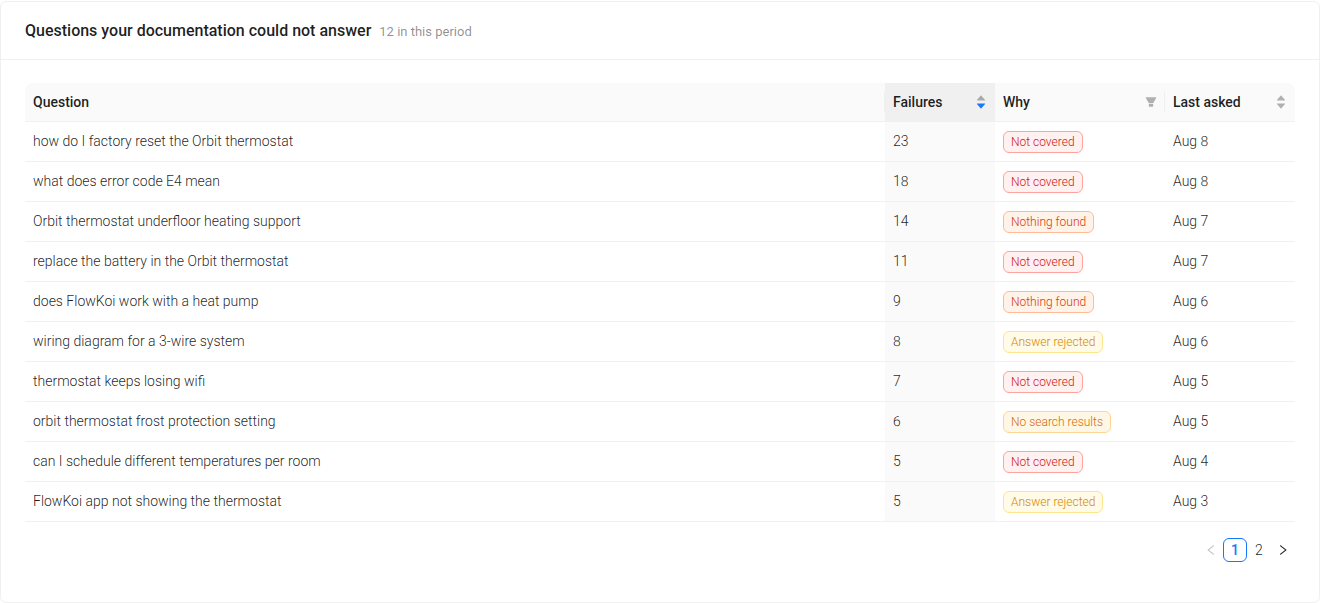
Finally, consider updating your FAQ section regularly based on feedback from users. This can help ensure that the section remains relevant and valuable over time. Encourage users to submit questions or concerns so that you can address them in future updates to the FAQ section.
Use e Free Online Manual Creator
Another strategy for creating user-friendly manuals is to use Sonat, a free online manual creator. Sonat offers a user-friendly interface that allows you to easily create manuals, even if you have little to no experience in technical writing. Here are some benefits of using Sonat as your manual creator:
First, Sonat allows you to create manuals that are visually appealing and easy to navigate. With various customizable templates, you can create manuals that fit your brand and are visually engaging for users. Sonat offers a user-friendly interface that allows you to easily add and edit content, making it a great option for creating manuals quickly and efficiently.
Second, Sonat offers a range of features to make your manual more user-friendly. For example, you can add search functions, interactive menus, and links to external resources. These features help users quickly find the necessary information and increase their engagement with your manual.
Finally, Sonat lets you publish your manual online, making it easily accessible to users. You can share your manual with others through various channels, including email, social media, and your website. This can help increase the reach of your manual and make it more accessible to users.
Conclusion
In conclusion, creating user-friendly manuals is an essential aspect of providing a positive user experience. By taking the time to consider the needs of your users and implementing strategies such as clear language, visual aids, real-world scenarios, and an FAQ section, you can create easy-to-understand, engaging, and practical manuals.